

Key Takeaways
- Annual exams catch hidden health problems before they become serious or expensive to treat.
- A wellness visit covers far more than vaccines — it includes a full physical assessment of every major body system.
- Vets use body condition scoring to evaluate whether your pet is at a healthy weight.
- Parasite screening and prevention are core components, not optional add-ons.
- Even pets that appear healthy can have developing conditions detectable only through examination.
- Senior pets typically need wellness exams every six months, not just once a year.
Annual Wellness Visit
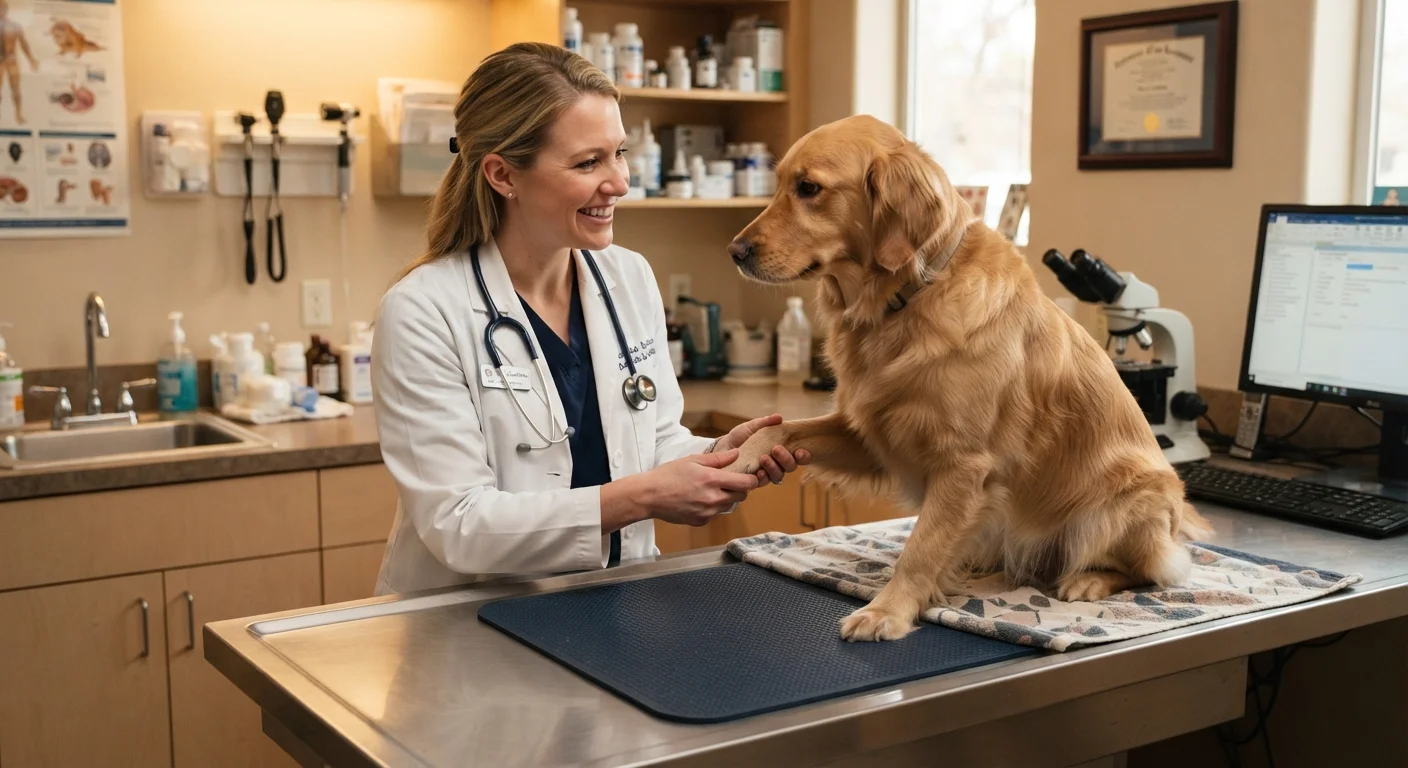
An annual wellness visit is a scheduled, routine appointment with a licensed veterinarian to assess your pet's overall health — even when no obvious illness is present. The vet performs a head-to-tail physical exam, reviews vaccine status, screens for parasites, and discusses nutrition, weight, and behavior. It is a proactive check-in, not a response to a problem.
Veterinarians may also call this a "preventive care exam" or "wellness exam." Frequency recommendations can vary: senior pets and very young animals often benefit from more frequent visits than once a year.
Why Routine Exams Matter Even When Your Pet Seems Fine
Pets are remarkably good at masking discomfort. By the time an owner notices something is wrong, a condition may already be significantly progressed. That is the fundamental reason annual wellness visits exist — not to confirm your pet is fine, but to find what you cannot see at home.
A once-a-year exam gives your veterinarian a documented baseline for your pet's normal. Changes in heart rate, organ size, weight, or coat quality are only meaningful when compared against what was normal before. Without that record, subtle shifts go undetected. For a deeper look at what a standard appointment involves from check-in to discharge, see what a routine vet visit actually involves.
This Is General Health Information
The guidance in this article is intended to help you understand what annual wellness visits involve — it is not veterinary advice for your specific pet. Individual health needs vary by species, breed, age, and medical history. Always consult a licensed veterinarian for recommendations tailored to your animal.
A Head-to-Tail Look at What Vets Actually Examine
The physical exam is the centerpiece of every wellness visit, and it is more comprehensive than most owners realize. Here is what a veterinarian typically assesses:
- Eyes and ears: Checked for discharge, redness, cloudiness, infection, or early signs of conditions like cataracts or ear mites.
- Mouth and teeth: Dental disease is one of the most common — and most overlooked — health problems in adult pets. Vets assess tartar buildup, gum inflammation, and tooth integrity. See why dental health is a pillar of pet wellness for more context.
- Heart and lungs: Auscultation (listening with a stethoscope) can reveal murmurs, irregular rhythms, or abnormal breath sounds before symptoms appear.
- Abdomen: Palpation checks organ size and detects masses, fluid, or tenderness.
- Skin, coat, and lymph nodes: Indicators of allergies, infection, hormonal issues, or immune concerns.
- Musculoskeletal system: Joints and gait are assessed for stiffness or pain, especially in older pets.
Weight is recorded and evaluated using a body condition score. Understanding body condition scores explains how vets use this standardized scale to assess healthy weight beyond the number on the scale.
Make the Most of Your Appointment
Write down any changes you have noticed — in appetite, energy, bathroom habits, or behavior — before your appointment. Vets rely heavily on owner observations because you see your pet every day. Even something that seems minor is worth mentioning, since patterns matter more than individual incidents.
Vaccines, Parasites, and Preventive Screenings
Beyond the physical exam, wellness visits address several preventive care priorities:
- Vaccinations: Your vet will review which vaccines are current and which are due, based on your pet's age, lifestyle, and local disease risk. For a full breakdown of timing and core shots, see pet vaccination schedules explained.
- Parasite screening: A fecal test checks for internal parasites like roundworms and giardia. The vet will also assess for heartworm (dogs) and discuss flea, tick, and mite prevention appropriate for your region and pet's lifestyle.
- Blood and urine panels: Not always included in every routine visit, but commonly recommended annually for adult and senior pets to check organ function, blood cell counts, and metabolic markers.
70%
Adult pets affected by dental disease by age 3
According to the American Veterinary Medical Association, the majority of dogs and cats show signs of periodontal disease by their third year of life — often with no obvious symptoms.
1 in 3
Pets diagnosed with a serious illness annually
Veterinary health surveys consistently indicate that a significant proportion of pets that appear outwardly healthy are diagnosed with a previously undetected condition during routine wellness exams.
Owners who maintain a strong at-home routine between visits help their vet get more out of each appointment. Keeping a home pet-wellness routine covers the daily habits that complement professional care.
When Annual Is Not Enough
For puppies, kittens, and senior pets, a once-a-year schedule often falls short. Young animals require a series of veterinary visits during their first year to complete vaccination protocols and monitor development. If you have recently adopted, a wellness checklist for the first 90 days outlines what to prioritize right away.
Older pets — typically those over seven years for dogs, and over ten for cats, though this varies by breed and size — benefit from biannual exams. Age-related conditions such as kidney disease, hyperthyroidism, arthritis, and cognitive decline can progress rapidly. Senior pet wellness explains how care needs evolve as animals age.
If your pet is an indoor-only cat, the temptation to skip annual visits can be strong — but the risks of doing so are real. Why indoor-only cats still need regular vet care addresses the specific conditions indoor cats remain vulnerable to.
This article provides general educational information about veterinary wellness care and is not a substitute for professional veterinary advice. Always consult a licensed veterinarian for guidance specific to your pet's health and circumstances.