

Style & Beauty

Before You Shop: A Self-Assessment Checklist for First-Time Wardrobe Builders

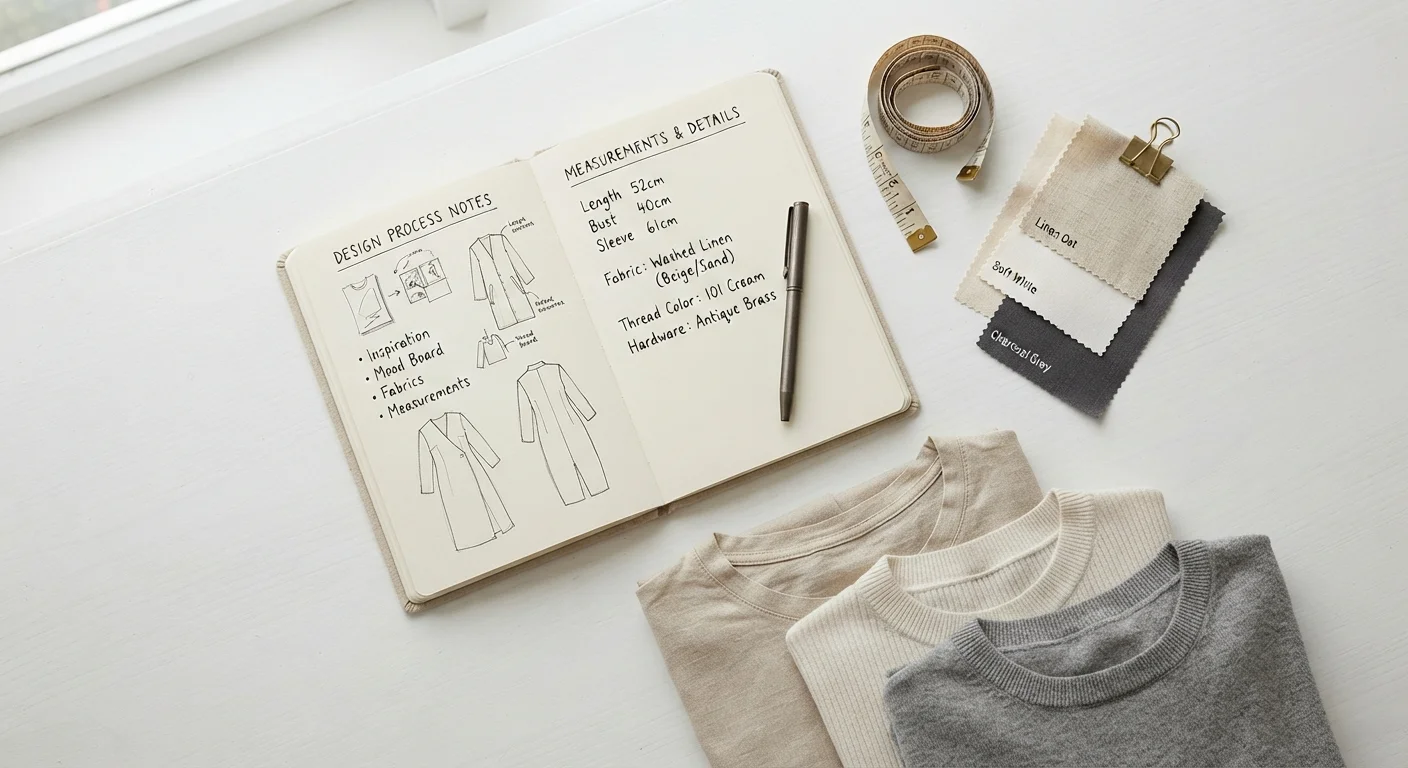
Open notebook with style notes surrounded by fabric swatches, tape measure, and folded neutral clothing.

Key Takeaways

  • Knowing your lifestyle needs before shopping prevents costly impulse purchases.
  • Identifying your daily color palette simplifies every future clothing decision.
  • Understanding your body's comfort preferences helps you shop for fit, not just size.
  • Setting a realistic budget ceiling before browsing keeps spending intentional.
  • Auditing wardrobe gaps — not just wishes — ensures every new piece earns its place.
20–40 min

Summary

22 items · 20–40 minutes

Why Self-Assessment Comes Before Shopping

The most common wardrobe mistake isn't spending too much — it's spending without a map. First-time wardrobe builders often start by browsing instead of reflecting, and the result is a closet packed with disconnected pieces that don't work together. This checklist flips that script.

Think of this as your pre-shopping groundwork. Similar to how a pre-purchase checklist helps you avoid financial regret on any big buy, this self-assessment helps you avoid style regret before a single piece lands in your cart. Work through these questions honestly — no judgment, just clarity.

Lifestyle Mapping

List the three main contexts where you get dressed each week — work, social, home, errands, exercise — and estimate what percentage of your time each one takes. Must
Note whether your lifestyle is largely indoors, outdoors, or mixed, since this directly influences fabric and footwear priorities. Must
Identify any dress codes or uniform expectations your environment requires, even informal ones. Must
Consider whether your lifestyle context is stable or likely to shift in the next 12 months — a new job, relocation, or major life change affects what's worth investing in now. Should

Comfort and Fit Preferences

Write down the clothing items you currently reach for most — identify what physical qualities they share (stretch, weight, structure, waistband style). Must
Note any sensory sensitivities or physical comfort requirements that rule out certain fabrics, closures, or silhouettes entirely. Must
Clarify whether you prefer clothing that skims, relaxes, or fits close to the body — all are valid; knowing your preference stops impulse purchases that look good on a hanger but feel wrong on. Must
Check that any care requirements (dry-clean only, hand-wash, lay flat to dry) match your actual laundry routine — if they don't, skip those pieces. Should

Color and Aesthetic Direction

Pull out five pieces you genuinely love wearing and look for a common color thread — this is your personal palette anchor. Must
Decide on two or three neutral base colors that will run through your wardrobe to make mixing and matching effortless. Must
Identify one or two accent colors or patterns you're drawn to — these are the details that make a wardrobe feel like you. Should
Save three to five reference images that represent how you'd like to dress — not aspirational fantasy, but realistic day-to-day style that fits your actual life. Nice to have

Gap Analysis

Stand in front of your current wardrobe and count how many complete outfits — top, bottom, and shoes — you can assemble for your most frequent context. Must
Flag the single clothing category where you have the least workable options; that category is your first shopping priority. Must
Check whether you own a versatile layering piece (a cardigan, jacket, or blazer) that works across multiple outfit combinations — if not, add it to your gap list. Should
Note footwear gaps separately; shoes are often overlooked but can make or break whether an outfit actually works in practice. Should

Budget Reality Check

Set a total wardrobe-building budget before you open any app or website — even a rough number creates a guardrail that prevents overspending. Must
Rank your identified gaps in order of priority so you spend first on what you need most, not what you see first. Must
Decide whether your budget approach is cost-per-wear focused (fewer, better pieces) or volume-based (more variety at lower price points) — both are valid strategies, but mixing them without intention leads to regret. Should
Review our budgeting basics hub for simple strategies to allocate and track what you plan to spend. Nice to have

Tools That Make This Assessment Easier

You don't need anything fancy to complete this checklist, but a few simple tools can make your answers sharper and more actionable.

Required

Notebook or notes app

Record your lifestyle breakdown, color palette, and gap list so your answers are concrete and easy to reference when shopping.

Required

Smartphone camera

Photograph your current wardrobe laid out flat to make gap-spotting faster and more objective.

Optional

Measuring tape

Take your current measurements so you can consult size guides accurately instead of guessing.

Optional

Mood board tool (digital or physical)

Collect style reference images to anchor your aesthetic direction before shopping begins.

Once you've gathered your thoughts, the natural next step is a full wardrobe audit. Our style audit guide walks you through everything you already own — so you can spot real gaps instead of just guessing. And before any purchases go into a cart, it's worth visiting our first shopping budget guide to set a realistic ceiling for what you plan to spend.

Don't Let Browsing Replace Planning

Opening a shopping app before completing this assessment is the fastest route to impulse purchases you'll regret. Scroll-based discovery is designed to create want, not meet need. Finish the checklist, lock in your priorities and budget, and then browse with a specific list in hand.

Style & Beauty Editorial Team is the collective byline for our editorial team and contributor network. Articles published under this byline or an editorial pen name are researched, written, and reviewed according to our editorial standards for clarity, consistency, and independence before publication.

View all articles by Style & Beauty Editorial Team →
Disclaimer: The content on this site is for informational purposes only and is not a substitute for professional advice. Always consult a qualified professional for guidance specific to your situation.