

Key Takeaways
- Periodontal disease affects the majority of dogs and cats by age three, yet it often goes undetected.
- Dental disease in pets can contribute to complications involving the heart, kidneys, and liver.
- Bad breath in pets is not normal — it's usually the first visible sign of oral disease.
- Daily tooth brushing is the most effective at-home prevention a owner can practice.
- Annual professional cleanings under anesthesia allow vets to assess areas owners cannot see.
- Starting dental care early in a pet's life makes long-term compliance far easier.
Pet Dental Health
Pet dental health refers to the condition of an animal's teeth, gums, and the supporting structures in the mouth. Like humans, pets accumulate plaque and tartar that — left untreated — can lead to gum disease, tooth loss, and pain. Maintaining oral health isn't just about fresh breath; it's a foundational part of keeping your pet well overall.
Periodontal disease, the most common dental condition in dogs and cats, progresses in four stages from mild gum inflammation (gingivitis) to irreversible bone and tissue loss around the teeth.
Why Dental Health Is Rarely the First Thing Owners Think About
When new pet owners prepare for a dog or cat, the mental checklist tends to fill with food, bedding, vaccinations, and training. Dental care rarely makes that list — and it's a gap that can have real consequences.
According to the American Veterinary Medical Association, most dogs and cats show signs of periodontal disease by the time they're three years old. Despite this, oral health remains one of the most underaddressed areas of pet wellness. Part of the problem is visibility: the early stages of gum disease develop silently, hidden beneath the gum line where owners simply cannot see.
Understanding what healthy teeth and gums look like — and what warning signs to watch for — is a foundational skill for any pet owner. It connects directly to the broader ability to recognize when your pet is truly thriving versus when something may be going wrong.
80%
Dogs with signs of dental disease by age 3
The American Veterinary Medical Association reports that the vast majority of dogs show evidence of periodontal disease by their third year of life.
70%
Cats affected by dental disease by age 3
Cats develop periodontal disease at similarly high rates, with many also experiencing tooth resorption — a distinct and painful condition unique to felines.
#1
Most diagnosed health problem in pets
Veterinary associations consistently identify dental and oral disease as the single most commonly diagnosed health problem seen in routine veterinary practice.
What Happens Inside Your Pet's Mouth Over Time
After every meal, a soft film of bacteria called plaque begins forming on the tooth surface. If not removed — primarily through brushing — plaque hardens into tartar within days. Tartar irritates the gum line, setting off an inflammatory response that gradually destroys the tissue and bone anchoring the teeth in place.
This progression is periodontal disease, and it moves through stages. Early gingivitis (gum inflammation) is reversible with professional cleaning and consistent home care. Later stages involve irreversible tissue and bone loss, and can cause significant chronic pain that pets rarely show in obvious ways.
What surprises many owners is how this process extends beyond the mouth. Bacteria from inflamed gum tissue can enter the bloodstream and travel to major organs. Emerging veterinary research points to potential associations between severe dental disease and conditions affecting the heart, kidneys, and liver — though the full picture is still being studied. The takeaway isn't to cause alarm, but to reframe oral hygiene as a whole-body concern rather than a cosmetic one.
Signs of Dental Problems Owners Can Look For at Home
Pets are remarkably good at masking pain — an evolutionary trait that can work against owners trying to catch problems early. That said, there are observable cues worth paying attention to during routine interaction with your pet.
- Persistent bad breath: Often dismissed as normal "dog breath," halitosis that doesn't resolve is typically a sign of bacterial activity in the mouth — not diet alone.
- Yellow or brown deposits on teeth: Visible tartar buildup, especially along the gum line toward the back molars, signals that professional cleaning is overdue.
- Red, swollen, or bleeding gums: Healthy gum tissue is pink and firm. Discoloration or bleeding during gentle contact suggests active inflammation.
- Changes in eating behavior: Dropping food, favoring one side of the mouth, or suddenly refusing hard food or chew toys can indicate oral discomfort.
- Pawing at the face or mouth: Less common but worth noting, especially if paired with other signs.
Building a habit of briefly checking your pet's mouth during grooming or handling is one of the simplest things you can do. Our guide to home wellness routines vets endorse explains how to integrate this into a broader daily check-in.
Make Mouth Checks Part of Handling
Choose a calm, consistent moment — after grooming or during a quiet evening together — to gently lift your pet's lips and scan the teeth and gums. You're looking for pink, firm gum tissue and relatively clean tooth surfaces. Even a 15-second check done regularly builds familiarity and helps you spot changes early.
Professional Cleanings and What They Actually Involve
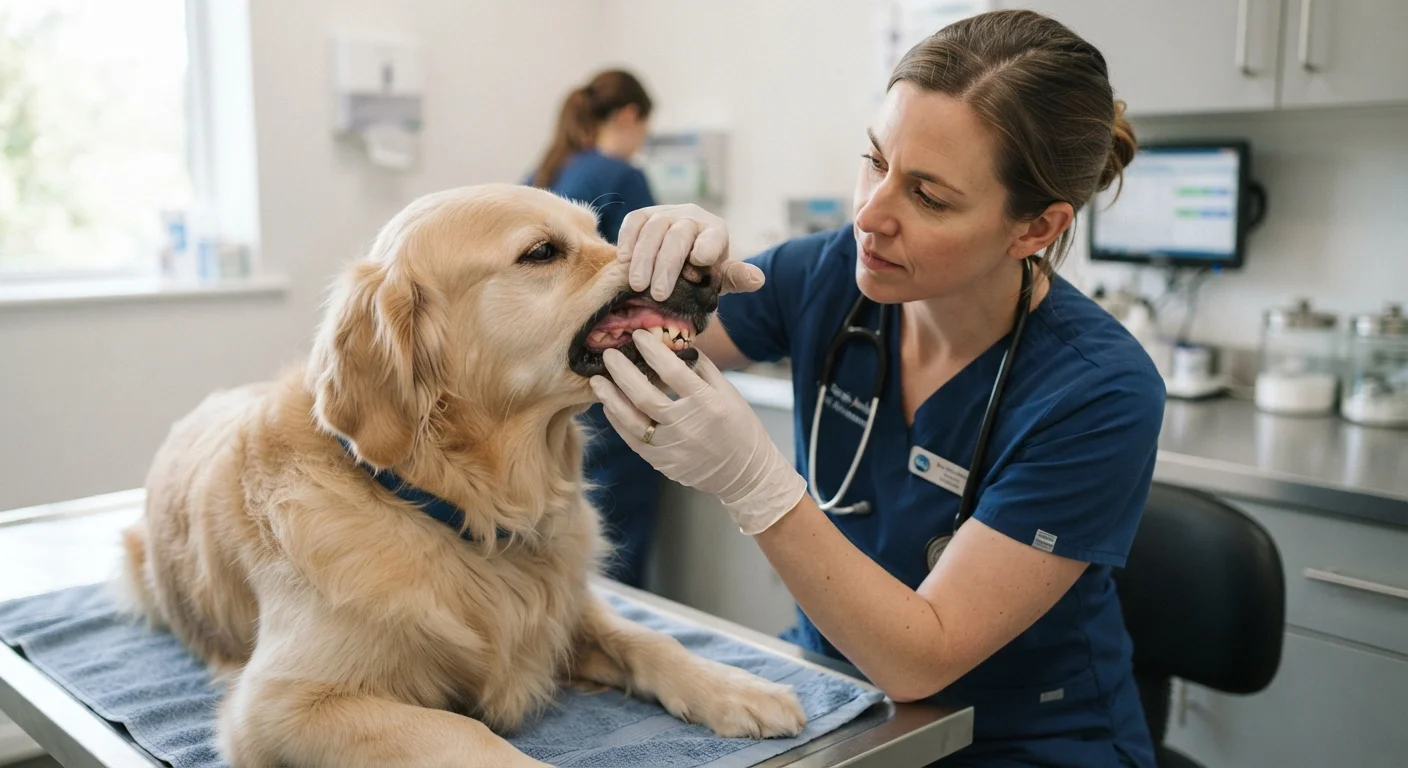
Home care matters enormously, but it has limits. A professional veterinary dental cleaning is the only way to thoroughly address tartar accumulation and assess the areas below the gum line where disease progresses. This procedure is performed under general anesthesia — not because it's inherently dangerous, but because a thorough exam and cleaning require the animal to remain completely still, and because it allows the veterinarian to probe, scale, and X-ray areas invisible to the naked eye.
Anesthesia-free dental procedures, often marketed as a less expensive or less risky alternative, only address the visible crown of the tooth. They do not treat the sub-gingival (below the gum line) regions where periodontal disease is most active, and they may give owners a false sense of security. Veterinary dental specialists have consistently noted this distinction.
How often a pet needs a professional cleaning varies by species, breed, size, and individual oral health. Small-breed dogs, for instance, are disproportionately prone to dental crowding and early disease. Your veterinarian is the right person to recommend a schedule based on your specific pet's needs. This is one of many reasons annual wellness visits are so valuable — the oral exam is a standard part of the checkup.
For senior pets especially, oral health deserves extra attention, as disease has often had more time to progress. Learn more about how care priorities shift in older pets.
“Dental disease is the most prevalent disease we see in veterinary practice, yet it remains the most undertreated. Owners often don't know it's there until it's already caused significant damage.”
— Jan Bellows, Board-certified veterinary dentist and past president of the American Veterinary Dental College
Building a Dental Care Routine at Home
The most effective thing an owner can do between professional cleanings is brush their pet's teeth — ideally every day. This removes plaque before it calcifies into tartar, directly interrupting the disease cycle. Use a soft-bristled brush and a pet-specific toothpaste; products formulated for humans are toxic to animals and should never be used.
Introducing brushing gradually — starting with just letting your pet sniff and lick the toothpaste, then progressing to brief contact with the brush — makes the habit far more sustainable. Pairing the routine with calm praise helps your pet associate it with positive interaction rather than stress.
If daily brushing proves difficult, veterinary-approved dental chews, water additives, and prescription dental diets offer supplemental — though not equivalent — benefit. Look for products carrying the Veterinary Oral Health Council (VOHC) seal, which indicates the product has met established standards for plaque or tartar reduction. These are tools that complement brushing, not replacements for it.
Dental care is one piece of the broader preventive care framework that keeps pets healthier across their whole life — and avoids more complex, costly interventions later.
This article is for general informational and educational purposes only and does not constitute veterinary medical advice. Always consult a licensed veterinarian regarding your pet's specific health needs.