

Key Takeaways
- Daily and weekly home checks help you notice subtle health changes before they become serious problems.
- Teeth, coat, eyes, ears, and weight are the five core areas every owner should monitor regularly.
- At-home routines complement — but never replace — scheduled veterinary examinations.
- Consistency is more valuable than perfection; brief daily observations build a useful health baseline.
- Always consult your veterinarian when you observe changes that concern you — do not self-diagnose.
Why At-Home Observation Matters
Veterinarians see your pet for a relatively short window each year. What happens in between those visits is largely up to you. Pets can't describe discomfort, and many early signs of illness are subtle — a slight change in appetite, a new lump, or a shift in activity level. Building a consistent home wellness routine gives you the observational baseline needed to notice when something is off.
This is general health information to help you become a more attentive owner. It is not a substitute for professional veterinary care. If something concerns you, contact your vet. For a broader picture of what keeps pets healthy over time, see our guide on preventive care vs. reactive treatment.
Five Areas to Monitor at Home
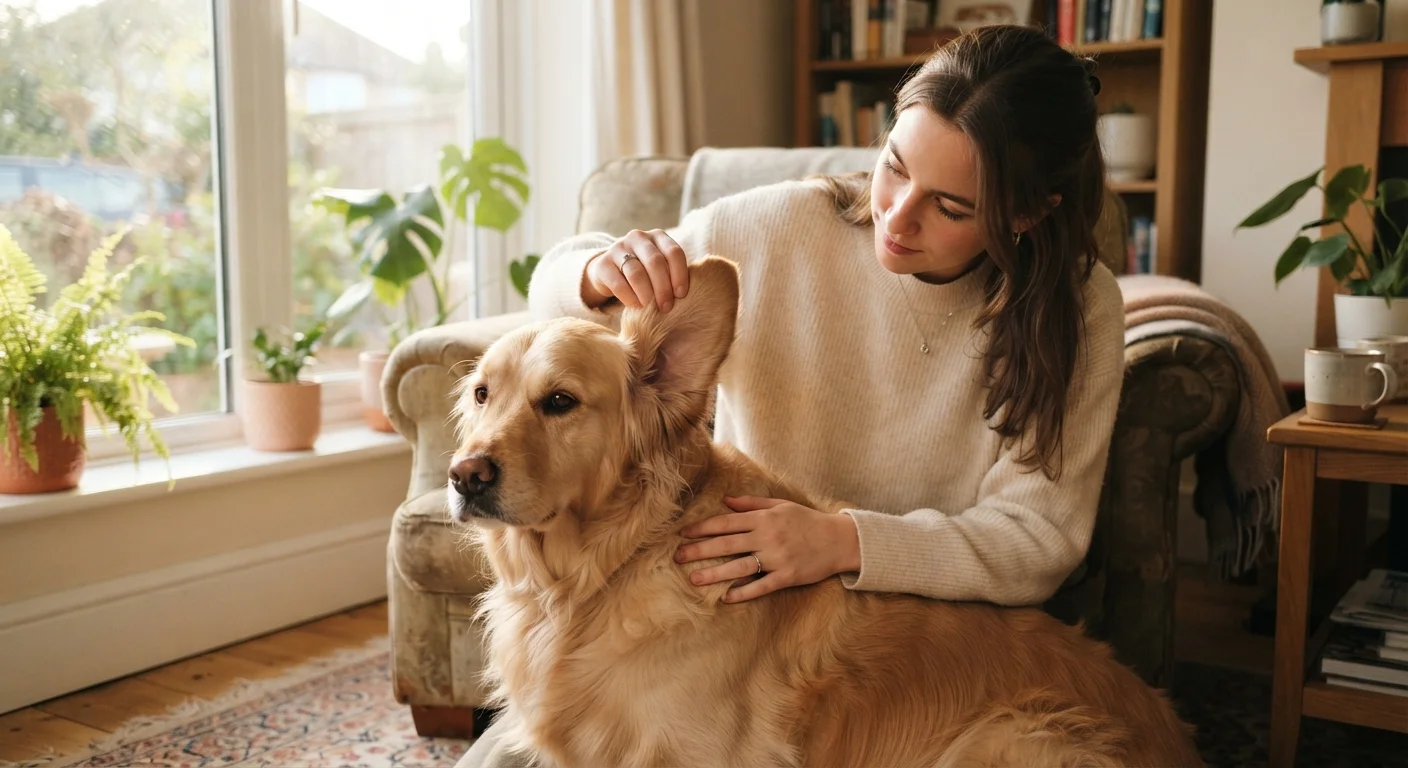
Most vet-endorsed home routines focus on the same five body systems: oral health, skin and coat, ears and eyes, body weight, and behavioral patterns. Together, these give a well-rounded snapshot of overall wellness.
To understand what a healthy baseline looks like across these areas, our companion article on signs of good pet health owners often miss offers a useful reference point.
Making the Routine Stick
Knowing what to check is only half the equation — integrating checks into daily life is what makes them effective. Tying observations to existing habits (feeding time, grooming sessions, or evening play) removes friction and makes consistency far more likely.
If you're just starting out with a new pet, our first 90 days wellness checklist is a practical companion to the habits outlined here. And remember: your annual vet visit is the professional anchor for everything you do at home — learn what to expect at your pet's annual wellness visit.
This article is for general informational purposes only and does not constitute veterinary or medical advice. Always consult a licensed veterinarian regarding your pet's specific health needs.