

Key Takeaways
- A routine vet visit covers a head-to-tail physical exam, even if your pet seems perfectly healthy.
- Vets assess weight, teeth, eyes, ears, coat, heart, and lungs during a standard check-up.
- Vaccines, parasite prevention, and lifestyle questions are all part of a typical appointment.
- First-time owners should come prepared with a list of questions and any previous health records.
- Most adult pets need at least one wellness visit per year; younger or senior animals may need more.
Routine Vet Visit
A routine vet visit — also called a wellness exam or check-up — is a scheduled appointment where a veterinarian evaluates your pet's overall health, even when nothing seems wrong. It typically includes a physical examination, a review of vaccines and parasite prevention, and a chance for you to ask questions. These visits are the foundation of preventive care, helping catch problems before they become serious.
Vets often refer to these as "wellness exams" to distinguish them from sick visits or specialist consultations, which follow a different structure and billing code.
What Happens When You Walk In
The appointment begins before the vet even enters the room. A veterinary technician — sometimes called a vet tech — typically greets you and your pet, records your animal's weight, takes a basic history, and notes any concerns you've brought up. This intake process helps the vet walk in already oriented to your pet's situation.
If this is your first visit, the staff will ask about diet, living environment, any previous health records, and whether your pet has been around other animals. If you prepared a new pet owner checklist, this is exactly where that preparation pays off.
Write Down Questions Before You Go
It's easy to forget what you wanted to ask once you're in the exam room, especially if your pet is anxious or the appointment moves quickly. Jot down two or three specific observations or concerns beforehand — even small ones. Vets find this genuinely helpful and it makes the appointment more productive for both sides.
The Physical Exam: What the Vet Is Actually Checking
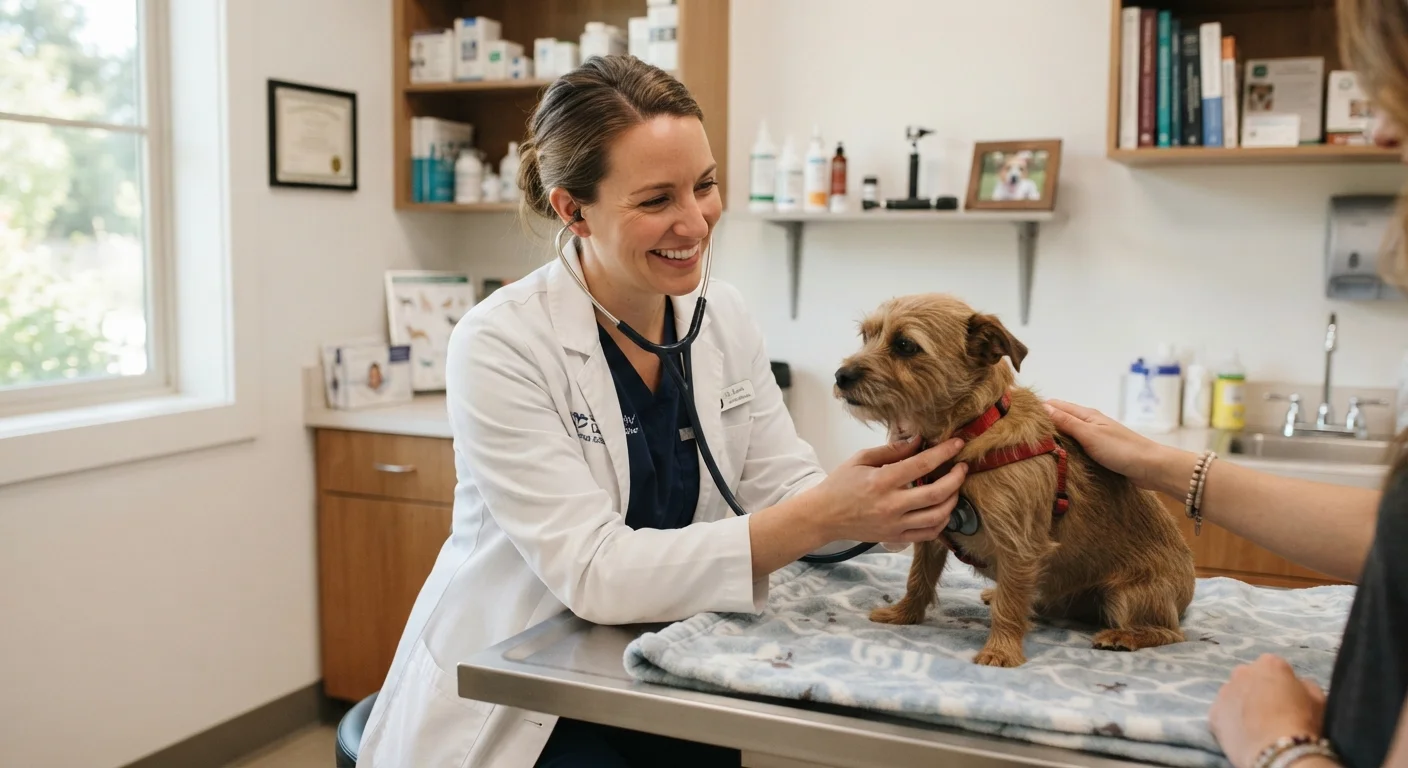
The core of any routine visit is the hands-on physical examination. The vet works systematically from the animal's head to its tail, assessing each body system. Here's what that typically includes:
- Eyes and ears: Checked for discharge, redness, unusual odor, or signs of infection or inflammation.
- Mouth and teeth: The vet looks for tartar buildup, gum disease, broken teeth, or abnormal growths — dental health is closely linked to overall health.
- Skin and coat: Assessed for parasites, hair loss, lumps, or irritation.
- Heart and lungs: Listened to with a stethoscope for irregular rhythms, murmurs, or abnormal breathing sounds.
- Abdomen: Gently pressed to feel for organ size, pain response, or unusual masses.
- Lymph nodes and musculoskeletal system: Checked for swelling or discomfort.
Body weight is recorded at each visit because gradual changes — in either direction — can be an early signal of underlying health issues. Pairing these professional check-ins with a home wellness routine helps you notice changes between appointments.
1 in 3
Pets show no obvious signs of illness despite underlying conditions
Veterinary organizations note that many health issues detected during routine exams are not visible or symptomatic to owners at home.
~70%
Of dogs over age 3 have some form of dental disease
The American Veterinary Medical Association highlights dental disease as one of the most common — and most preventable — conditions identified during routine wellness exams.
Vaccines, Parasite Prevention, and Other Preventive Steps
After the physical exam, the vet reviews your pet's preventive care status. This includes checking which vaccines are due, discussing flea, tick, and heartworm prevention, and sometimes requesting a fecal (stool) sample to screen for intestinal parasites.
Not every pet needs the same vaccines at every visit. The vet considers your animal's age, prior history, and exposure risk. For a clear overview of what to expect, our vaccination schedules guide breaks down core shots and timing for dogs and cats.
Parasite Prevention Varies by Region
The parasites your pet is most at risk from depend significantly on where you live and the season. Heartworm, for example, is transmitted by mosquitoes and is a concern across most of the US, while certain tick-borne diseases are more geographically concentrated. Your vet will recommend prevention strategies appropriate to your specific location and your pet's lifestyle.
Your Turn: Questions, Concerns, and Next Steps
The final portion of the visit belongs to you. This is the time to raise anything you've noticed at home — changes in appetite, energy, bathroom habits, or behavior. A good vet will answer plainly and let you know what warrants monitoring versus what needs follow-up testing.
Establishing a consistent daily routine at home makes it easier to notice when something is off — and gives you more specific observations to share at visits.
Before you leave, confirm the recommended schedule for the next appointment. Most healthy adult pets are seen annually, but your vet may suggest a different interval based on age or health history.
This article is for general informational purposes only and is not a substitute for professional veterinary advice. Always consult a licensed veterinarian for guidance specific to your pet's health.