

Key Takeaways
- Preparing your home before your pet arrives reduces stress for both you and the animal.
- A scheduled vet appointment within the first week is one of the most important steps you can take.
- Essential supplies should be in place on day one — many extras can wait.
- Pet-proofing your living space prevents accidents and helps new animals feel secure.
- Understanding your pet's species-specific needs shapes every supply and routine decision.
Summary
22 items · 30–60 minutes
Why Preparation Matters Before Day One
Bringing a new pet home is exciting — and it's easy to underestimate how much groundwork makes the difference between a smooth transition and a chaotic first week. Animals entering a new environment experience real stress, and the more stable and predictable their surroundings are from the start, the faster they settle in.
This checklist is designed to walk you through every category of preparation: your home environment, essential supplies, health planning, and daily routine setup. Work through it at your own pace in the days before your pet arrives. For a deeper look at what to expect once your animal is home, see our guide to the first week with a new pet.
Schedule a Vet Appointment Before or Right After Arrival
A wellness exam within the first week is one of the most important steps a new pet owner can take. Many health issues — parasites, early illness, dental concerns — are not visible without a professional examination. Do not wait for obvious symptoms to appear before scheduling. This is especially critical if you have other animals in the home.
What You'll Need to Work Through This Checklist
Most preparation tasks don't require special expertise — just time, a list, and a willingness to look at your home from your pet's perspective. The tools below will help you move through each step efficiently.
Notepad or checklist app
Track completed preparation tasks and shopping needs across each checklist category.
Veterinary contact list
Record your chosen vet's name, address, and phone number — plus the nearest emergency clinic — before your pet arrives.
Pet-safe plant reference list
Cross-check your household plants against a species-specific toxicity guide to identify anything that needs to be removed.
Measuring tape
Confirm that enclosures, crates, and safe-space areas meet the minimum size requirements for your pet's species and size.
The Full Preparation Checklist
Work through each group in order. Items marked must should be completed before your pet arrives. Should items are strongly recommended within the first few days. Nice-to-have items improve comfort and enrichment but can be phased in over time.
Not sure what supplies matter most on day one versus what can wait? Our article on what you actually need ready in the first 48 hours breaks it down clearly.
Home Environment & Safety
Essential Supplies
Health & Veterinary Planning
Routine & Household Readiness
Toxic Household Items Are Easy to Overlook
Common household items including certain foods (grapes, chocolate, xylitol), essential oils, and many popular houseplants are toxic to pets — and the list differs by species. What's safe for a dog may be dangerous for a cat or rabbit. Always verify hazards specific to your animal's species before assuming your home is already safe.
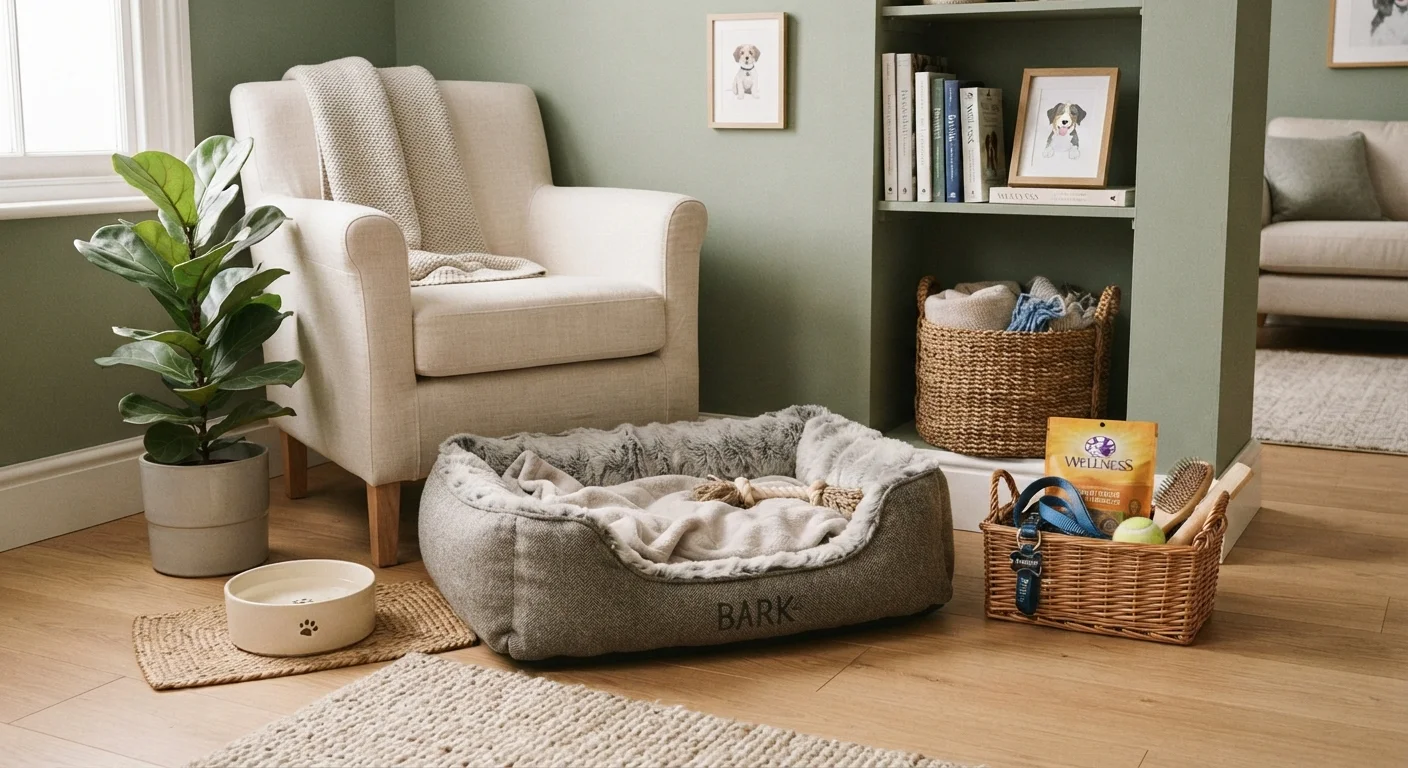
Setting Up a Safe, Welcoming Space
One of the highest-impact things you can do before your pet arrives is designate a calm, defined area where they can decompress. This is especially important for dogs, cats, and small animals who need to acclimate gradually rather than being given free run of the house immediately.
The space should be quiet, away from heavy foot traffic, and stocked with species-appropriate bedding, water, and a hiding option if relevant (essential for rabbits, guinea pigs, and cats). For detailed guidance on choosing the right spot and equipping it without overcomplicating things, visit our guide to setting up a safe space for a new pet.
If you're bringing home a small animal like a rabbit, guinea pig, or hamster, their enclosure and habitat needs are quite specific — our small pet setup guide covers what each species genuinely requires.
This article provides general information for educational purposes only and is not a substitute for advice from a qualified veterinarian. Always consult a licensed vet for guidance specific to your pet's health and needs.