

Key Takeaways
- Higher price does not automatically signal higher quality in most product categories.
- Cheap products can deliver excellent value when matched to the right use case.
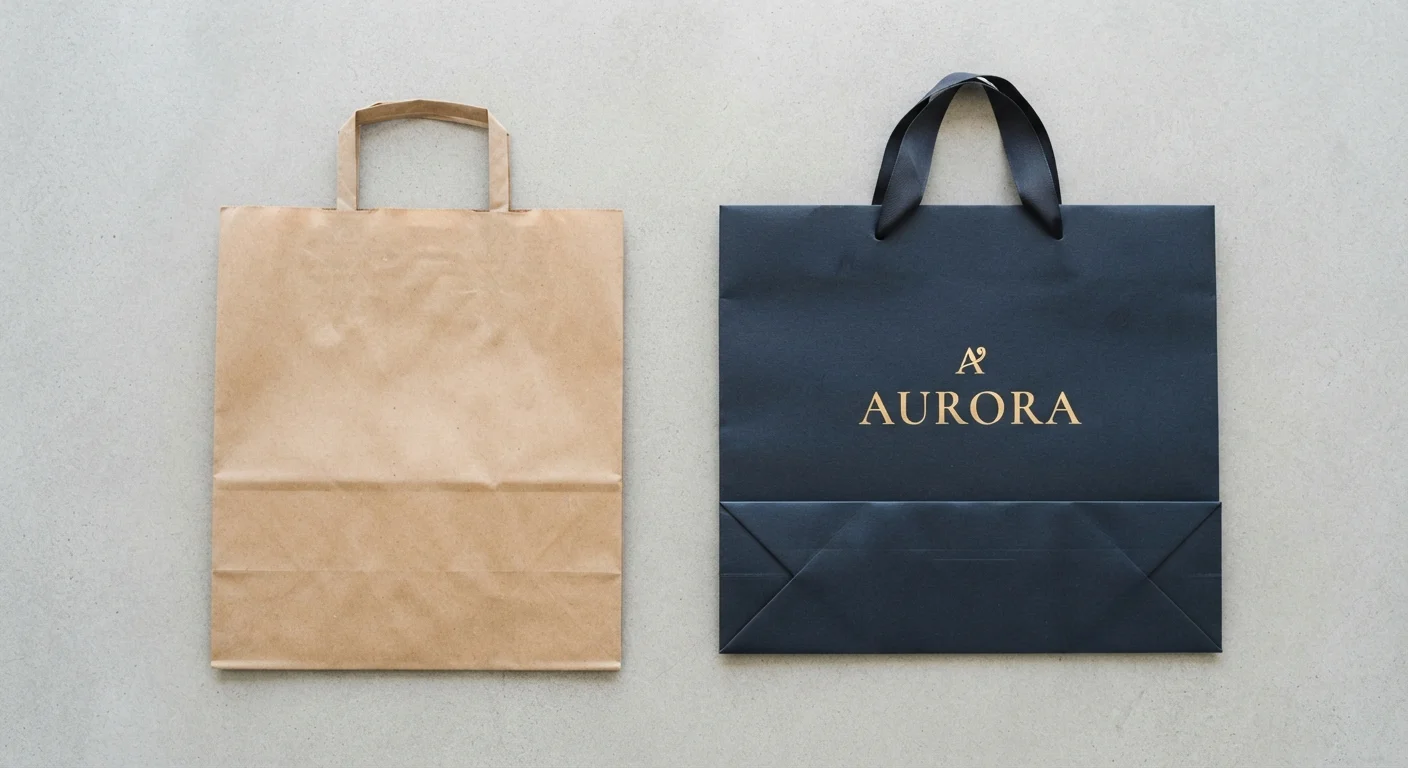
- Brand markup, packaging, and marketing costs are embedded in many premium prices.
- Understanding price vs. value is a more reliable guide than price alone.
- Independent testing and verified reviews are stronger quality signals than cost.
Why Price Myths Are So Persistent
From the moment we start shopping independently, we absorb a set of unspoken rules: spend more to get more, avoid anything suspiciously cheap, and treat premium pricing as proof of premium quality. These beliefs feel intuitive — but they often don't hold up when examined closely.
For first-time buyers especially, price myths can lead to consistent overspending on items where a lower-cost option would perform just as well, or underspending in categories where durability genuinely matters. The goal isn't to always buy cheap or always buy premium — it's to make the call deliberately, based on evidence rather than assumption.
Before you spend, it helps to understand how price and value differ — because confusing the two is where most shopping regrets begin.
Myth
A higher price tag means you're getting a better-quality product.
Fact
Price reflects many variables — brand positioning, marketing, and distribution costs — not quality alone.
Manufacturers set prices based on what the market will bear, not purely on what went into the product. Premium branding, influencer partnerships, and elaborate packaging all raise retail cost without affecting the item's core function. Independent product testing consistently finds that lower-priced alternatives match or outperform expensive counterparts on measurable criteria — especially in categories like basic cookware, over-the-counter medications, and household supplies.
Myth
Cheap products always break faster and cost more in the long run.
Fact
Durability depends on the product category, how it's used, and its construction — not its price point alone.
A low-cost item used occasionally may outlast an expensive one used daily simply due to wear patterns. In categories with low mechanical stress — storage containers, basic office supplies, seasonal decorations — cheap products often perform comparably over time. Where this myth has some basis is in high-wear categories like footwear, power tools, or mattresses, where material quality genuinely affects longevity. The right question isn't how much it costs, but how hard it will work and for how long.
Myth
Store-brand or generic products are inferior to name-brand versions.
Fact
Generic products are often manufactured by the same suppliers as name brands, to comparable specifications.
In many product categories — particularly over-the-counter pharmaceuticals, pantry staples, and basic personal care items — store brands are produced in the same facilities as their name-brand counterparts and must meet the same regulatory or quality standards. The primary difference is the absence of brand marketing costs, which are passed on as savings. That said, ingredient ratios or formulations can occasionally differ, so reading labels remains worthwhile.
Myth
If you can afford the expensive version, you should always buy it.
Fact
Spending more than necessary — even when you can — is still a trade-off against other financial priorities.
Affordability and optimal spending are different things. Consistently choosing premium products when lower-cost alternatives perform equally well adds up significantly over time. That difference represents money that could go toward an emergency fund, debt repayment, or a larger purchase that genuinely benefits from higher quality. Budgeting myths often reinforce this pattern by framing frugality as a sign of financial struggle rather than smart allocation.
Myth
Premium fashion items always last longer and are worth the extra cost.
Fact
Garment durability depends on fabric, construction, and care — factors that don't always scale with price.
A high price tag in fashion often reflects brand prestige, trend positioning, and retail real estate costs rather than garment construction quality. Some fast-fashion items, despite low prices, are made from the same base materials as mid-range pieces. Conversely, some expensive fashion items prioritize aesthetic novelty over long-term wearability. Understanding the fast vs. slow fashion trade-offs gives a more textured look at where spending more actually pays off in clothing.
What Actually Drives Price — and What Doesn't
Price is shaped by many factors that have nothing to do with how well a product performs. Manufacturing location, brand history, retail markups, packaging design, celebrity endorsements, and advertising spend all contribute to what you see on the shelf. Two products with identical components can carry vastly different price tags simply because one is marketed as aspirational.
This doesn't mean expensive products are never worth it. In some categories — tools used daily, items that affect safety, or products where poor quality creates real cost later — paying more may genuinely reduce long-run expense. The key is identifying which categories reward higher spending and which don't.
~30–40%
Typical brand markup over production cost
Industry analyses across consumer goods categories suggest brand premiums frequently account for 30–40% of retail price, reflecting marketing and distribution rather than materials.
72%
Shoppers who equate price with quality
Research in consumer behavior consistently finds a majority of shoppers use price as a primary quality signal, even when objective performance data is available.
One practical approach: check whether independent consumer testing organizations have evaluated the category. Where tested performance data exists, it often reveals that mid-range products match or exceed premium ones on objective measures. Common comparison myths — like assuming more features equals better quality — compound this problem further.
Understanding how retailers frame prices is also worth your time. Price anchoring is a well-documented technique that makes a product feel like a bargain by placing a higher reference price next to it — even when that reference price was never realistic. And sale prices rarely mean what they appear to mean.
This article provides general consumer education and is not personalized financial advice. For guidance tailored to your financial situation, consider consulting a licensed financial professional.