

Key Takeaways
- More features on a spec sheet rarely translates to better real-world performance for most buyers.
- The highest-rated product in a category may not be the right fit for your specific needs.
- Price is a weak proxy for quality — value depends on use case, not cost alone.
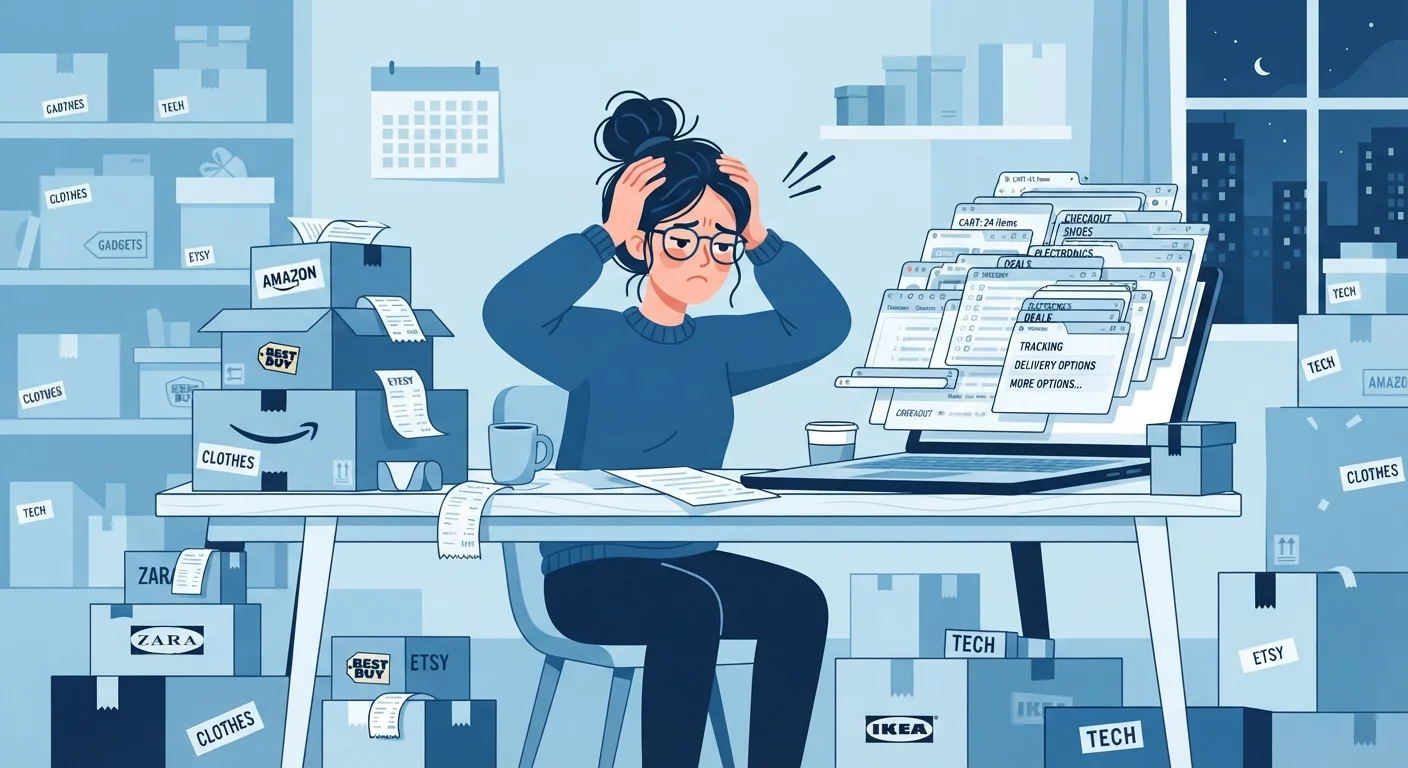
- Comparing too many options at once tends to reduce decision quality, not improve it.
- A structured comparison framework consistently outperforms gut-feel or instinct-based shopping.
Why Shopping Beliefs Work Against You
Most shoppers carry a mental rulebook assembled from ads, word-of-mouth, and past purchases — rules like you get what you pay for or more options means more research, which means better decisions. These beliefs feel logical, but consumer psychology research tells a different story: many common shopping assumptions actively reduce the quality of comparisons rather than improving them.
Understanding which beliefs are myths — and what the evidence actually supports — is the foundation of smarter shopping. This applies whether you're evaluating electronics, insurance plans, clothing, or health products. The principles for evaluating products objectively are durable precisely because they replace flawed instincts with repeatable logic.
Myth
More features means a better product. The option with the longest spec list must be the superior choice.
Fact
Extra features add complexity and cost without improving outcomes for buyers who won't use them.
Spec sheets are designed to impress at a glance, not to match your actual use case. Research in consumer decision-making consistently shows that buyers overestimate how much they'll use advanced features — a phenomenon sometimes called the feature fatigue effect. After purchase, many of those extras go untouched while they quietly raise the price and the learning curve.
The smarter move is to list the functions you genuinely need before you open any product page. Then evaluate only whether a product covers that list — not how far beyond it each option stretches. See how specs compare to real-world performance for a deeper look at this gap.
Myth
The highest-rated product is always the safest choice. A 4.8-star average means it's objectively the best.
Fact
Star ratings reflect the average experience of reviewers, who may have very different needs, use cases, and expectations than you.
A product rated 4.8 stars by ten thousand reviewers can still be the wrong fit for you if those reviewers were solving a different problem. Rating aggregates also carry structural distortions: happy buyers tend to leave early reviews, while frustrated buyers often review later — skewing scores in ways that don't reflect long-term performance.
Manipulated and incentivized reviews are a further concern. Before trusting a rating, check the distribution of scores (not just the average), read the critical reviews, and look for patterns in complaints. Evaluating online reviews without being misled explains exactly what signals to look for.
Myth
A higher price signals higher quality. Paying more is the reliable way to get a better product.
Fact
Price reflects many factors — branding, distribution, marketing spend — that have no direct relationship to product quality.
The price-quality link is real in some narrow contexts (materials with fixed commodity costs, for instance), but it breaks down frequently across consumer categories. Studies in areas from wine to headphones have found that perceived quality often tracks price more closely than actual, measurable performance does.
This myth works in reverse too: a lower price doesn't automatically mean inferior quality. The better question to ask is always: what am I paying for, and do I value that thing? Myths about cheap vs. expensive products explores this in detail across multiple categories.
Myth
Comparing more options leads to a better decision. The thorough shopper always wins.
Fact
Beyond a certain threshold, adding more options to a comparison actively degrades decision quality and satisfaction.
Choice overload is a well-documented psychological effect: when the number of options grows past a manageable range, decision-makers become less confident, more prone to error, and more likely to regret their final choice — even when it was objectively sound. This isn't a personal failing; it's a cognitive limitation that affects most people under high-volume comparison conditions.
Effective shoppers set a firm shortlist ceiling (often three to five options) before researching begins. Choice overload and what it does to your decisions covers the psychology in full, and when comparison shopping backfires shows what happens when research goes too far.
Myth
You can trust your instincts after enough research. At some point, you'll just know which option is right.
Fact
Instinct after extended research often reflects cognitive fatigue or confirmation bias, not genuine clarity.
The feeling of certainty that arrives after hours of research can be misleading. Prolonged comparison searching tends to anchor shoppers to whichever option they encountered first or most often — a pattern known as the availability heuristic — rather than the one that genuinely fits their needs best.
A structured, written comparison framework resists these biases by making your criteria explicit before you start evaluating. Building a reusable comparison framework walks through a method you can apply across any category.
Building Better Comparison Habits
Debunking these myths is a starting point, not a finish line. The goal is to replace each faulty belief with a concrete habit that actually improves decisions.
67%
Buyers who regret feature-heavy purchases
Consumer research on post-purchase satisfaction suggests a majority of buyers report paying for features they rarely or never use.
3–5
Ideal number of options to compare at once
Decision science research consistently finds that comparison quality peaks when shoppers evaluate a small, curated shortlist rather than an open-ended pool.
- Define your criteria first. Write down the three to five things that genuinely matter for this purchase before you open a single product page. This prevents spec sheets and marketing language from setting your agenda.
- Cap your shortlist. Limit active comparisons to three to five options. Research a wider pool to build your shortlist, then cut ruthlessly before the detailed comparison phase begins.
- Weight your criteria. Not every requirement is equally important. Rank your criteria so that trade-offs — and every purchase involves trade-offs — are made consciously rather than by default.
- Separate price from value. Ask what each option delivers against your criteria per dollar spent, not simply which costs less or more. This reframes the comparison around your actual needs.
For a full walkthrough of these habits in practice, see our complete guide for first-time buyers. If you want a framework you can save and reuse, building a reusable comparison framework offers a structured template. And remember: recognizing buyer traps is just as important as knowing how to compare — marketing is designed to exploit the very myths covered here.