

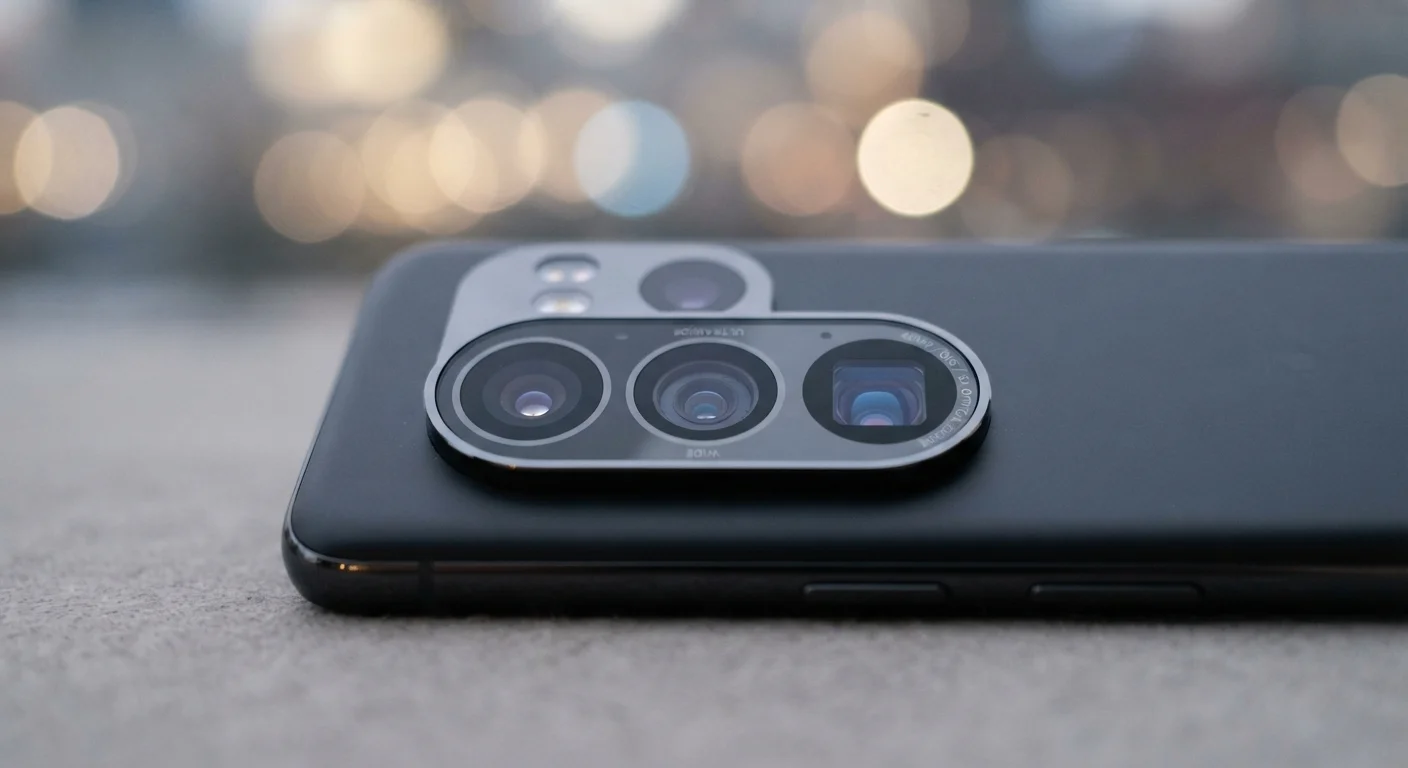
Key Takeaways
- Megapixels measure image resolution, not image quality — they are just one piece of the puzzle.
- Sensor size, aperture, and image processing software often matter more than megapixel count.
- A phone with fewer megapixels can outperform one with more if its sensor and software are superior.
- Low-light performance depends heavily on sensor size and lens aperture, not megapixels.
- Computational photography — software that processes images — has transformed what phone cameras can do.
Why Megapixels Became the Go-To Marketing Number
When digital cameras first moved into smartphones, megapixel count was one of the few camera specs that could be communicated in a single, easy-to-compare number. Manufacturers and retailers leaned into it heavily, and buyers understandably treated it as a quality shorthand. That habit has stuck — but the technology has moved well beyond it.
Today, the factors that actually determine photo quality — sensor size, aperture, pixel architecture, and computational photography — are far harder to summarize on a product label. Understanding why megapixels are just one variable among many helps you evaluate cameras more accurately. For a broader look at how spec numbers can mislead, see Smartphone Specs Decoded.
Myth
More megapixels always means sharper, better-looking photos.
Fact
Megapixels determine how much detail can be captured at maximum resolution, but sharpness and overall image quality depend far more on sensor size, lens quality, and image processing.
A megapixel is simply one million pixels. A 50MP camera captures more raw data than a 12MP camera, but that data is only as good as the sensor collecting it and the software interpreting it. A larger image sensor with fewer megapixels can capture more light per pixel, which typically produces cleaner, more detailed results — especially in challenging lighting conditions.
Myth
A phone with a higher megapixel count will always beat a lower-megapixel phone in photo quality.
Fact
Overall photo quality is a product of multiple hardware and software factors working together; megapixel count alone does not determine which phone takes better pictures.
Sensor size, pixel size, aperture (how wide the lens opens to admit light), optical image stabilization, and the phone's image signal processor all contribute to the final photo. A phone with a physically larger sensor and sophisticated computational photography can consistently outperform one with a higher megapixel count but smaller, less capable hardware.
Myth
Low-light photography improves automatically when you have more megapixels.
Fact
Low-light performance is primarily determined by sensor size, pixel size, and aperture — not megapixel count.
In dim environments, the camera needs to gather as much light as possible. A wider aperture (expressed as a lower f-number, such as f/1.8 versus f/2.4) lets in significantly more light. Larger individual pixels on the sensor also collect more photons. Pixel binning — a technique where the phone combines several smaller pixels into one larger effective pixel — can compensate somewhat, but it is sensor architecture and lens quality that fundamentally drive night-mode capability.
Myth
The camera specs printed on the box fully describe what photos will look like.
Fact
Computational photography — software that processes and enhances images automatically — plays an enormous role that no single spec number captures.
Modern smartphones use sophisticated algorithms to merge multiple exposures, reduce noise, sharpen edges, and optimize color. This processing happens invisibly in a fraction of a second. Two phones with identical hardware specs can produce noticeably different photos based purely on how their software interprets the raw sensor data. This is why hands-on sample images and independent camera reviews are more informative than spec sheets alone.
Myth
Zoom quality depends on the number of camera lenses on the back of the phone.
Fact
Zoom quality depends on whether the phone uses optical zoom (a dedicated telephoto lens) versus digital zoom, which simply crops and enlarges the image.
Digital zoom enlarges a portion of the image captured by the main sensor, which degrades quality the further you zoom. Optical zoom uses a separate telephoto lens to physically bring subjects closer without quality loss. Having multiple rear lenses does not guarantee useful zoom — it depends entirely on whether one of those lenses is a true telephoto and at what focal length it operates.
What Actually Drives Camera Quality
Once you move past megapixels, three hardware factors tend to matter most: sensor size (larger sensors capture more light), aperture (a wider opening improves low-light performance), and optical image stabilization (which reduces blur from hand movement). Beyond hardware, image processing software increasingly determines how a photo looks after the shutter fires.
~1 µm
Typical pixel size on high-megapixel phone sensors
Many high-megapixel smartphone sensors pack pixels as small as 0.7–1.0 micrometers; larger sensors in dedicated cameras routinely exceed 4–8 µm, collecting far more light per pixel.
f/1.5–f/2.4
Common smartphone aperture range
A wider aperture (lower f-number) admits significantly more light — f/1.5 lets in roughly 2.5× more light than f/2.4, which has a measurable impact on low-light photos.
4–9×
Typical optical zoom range on multi-lens phones
Telephoto lenses on current smartphones generally offer between 3× and 10× optical zoom; anything beyond that relies on digital zoom, which reduces image quality.
Zoom capability is another area where marketing language can be confusing. Multiple rear cameras don't automatically mean good zoom — it depends on whether a dedicated telephoto lens is included. This mirrors a broader pattern with tech specs: more of something doesn't always translate to better results. The same principle applies to phone memory, as explored in Why More RAM Doesn't Always Mean a Faster Computer.
High Megapixels Can Hurt Storage and Speed
Very high-resolution photos — such as those from 108MP or 200MP sensors — produce large file sizes that fill storage quickly and can slow down photo processing. Unless you regularly print images at large formats, shooting at maximum resolution may be impractical for everyday use. Check whether a phone allows you to shoot at lower resolutions by default.
When comparing phones, sample photos taken in real-world conditions — particularly indoors and at night — are more reliable indicators than the spec sheet. Price doesn't always predict camera quality either; for context on how pricing relates to specs and build choices, see Everything That Shapes the Price of a Smartphone.
Specs Alone Won't Tell the Full Story
Marketing materials highlight megapixels because the number is easy to compare on a shelf. However, two phones with identical megapixel counts can produce dramatically different photos depending on their sensors, lenses, and image processing. Always look beyond the single headline spec when evaluating a camera.
The megapixel myth is one example of a wider set of spec-driven misconceptions that can mislead shoppers. For a practical framework to compare any product more confidently, the Comparing Products hub is a useful starting point, and Avoiding Buyer Traps covers how to recognize marketing patterns like these across categories.