

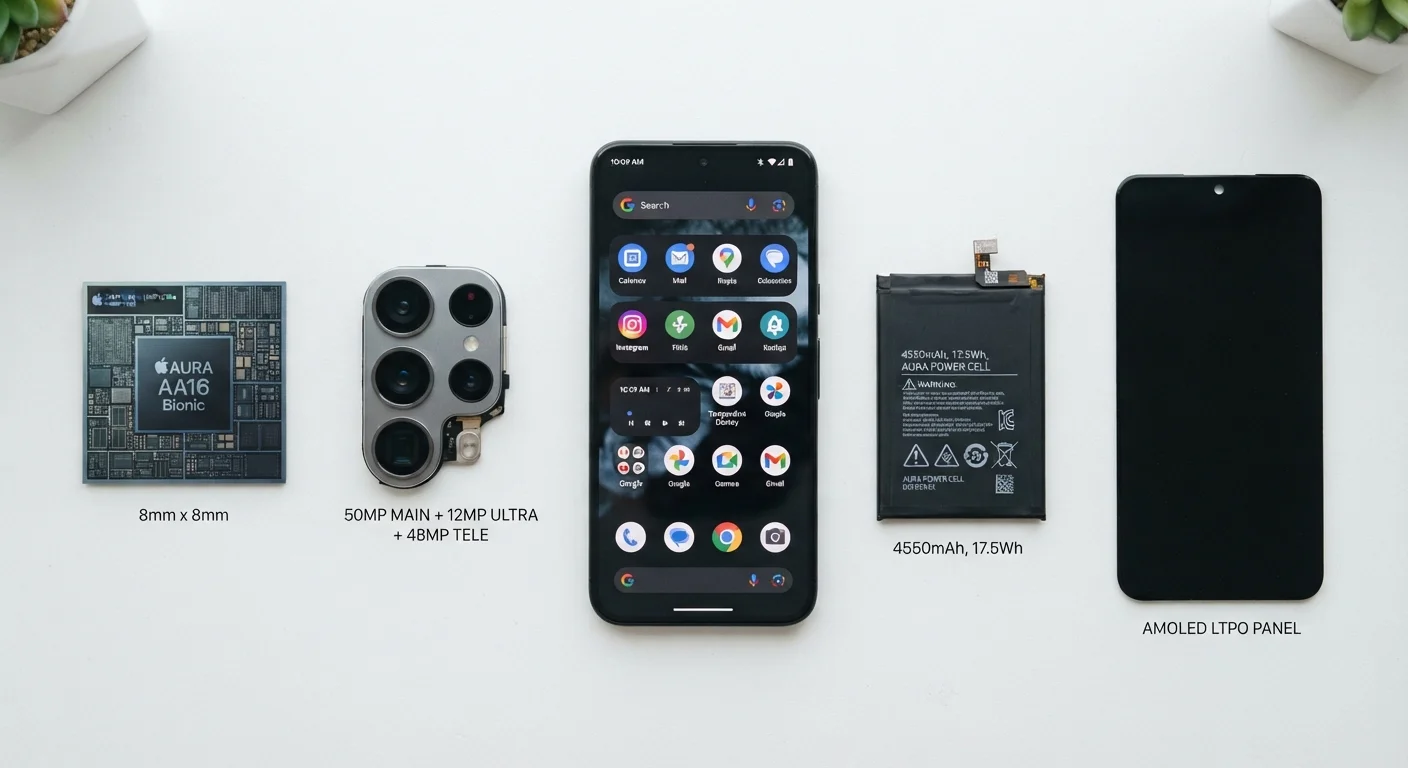
Key Takeaways
- The processor (chipset) is typically the most expensive single component inside any smartphone.
- Display quality, build materials, and multi-lens camera systems each add significant cost at the manufacturing level.
- Brand positioning and research investment are baked into the retail price, not just hardware.
- Software support lifespan affects long-term value more than most buyers consider upfront.
- Carrier locking and installment plans can obscure the true cost of a device.
Why Smartphone Prices Vary So Widely
A smartphone can cost anywhere from under $100 to well over $1,000. That gap isn't arbitrary — it reflects dozens of deliberate engineering, materials, and business decisions that compound from the factory floor to the retail shelf. Understanding those decisions helps you evaluate whether a phone's price reflects value for your specific needs or simply prestige.
Before comparing devices, it helps to understand the terminology manufacturers use. Our glossary of phone and tablet terms explains common specs in plain language. With that foundation, the price factors below will make immediate sense.
~40%
Of phone BOM cost attributable to processor
Industry teardown analyses consistently find the chipset represents the largest single line item in a smartphone's bill of materials.
5–7 years
Software support promised by leading manufacturers
Several major Android manufacturers have extended update commitments to match or exceed Apple's historical support window, reflecting the cost built into pricing.
10x
Price range across the smartphone market
Entry-level smartphones can be purchased for under $100, while flagship models from premium brands regularly exceed $1,000 at launch.
The Chipset: The Single Biggest Cost Driver
The chipset — also called the processor or system-on-chip (SoC) — is the brain of the phone. It handles everything from running apps to processing photos to managing network connections. High-end chipsets are engineered on cutting-edge manufacturing processes measured in nanometers; smaller numbers generally mean greater efficiency and performance, but also far higher production costs.
Chipset manufacturers invest billions in research and fabrication capacity, and those costs are passed down the supply chain. A flagship-tier chip can cost several times more than a mid-range chip at the component level. That difference alone accounts for a large share of what separates a $300 phone from a $900 one.
When comparing two phones at different price points, look up whether they use the same chipset generation — if they do, the price gap is coming from somewhere else entirely, like display or camera hardware.
Chipset tier is the fastest way to understand the performance floor of a device; everything else is a layer on top.
Check the manufacturer's stated software support window before buying — a phone with three years of promised updates purchased today may be obsolete for security purposes well before it feels slow.
Security patches matter as much as performance updates, and shorter support windows can turn a seemingly good deal into a liability.
For a deeper look at how processor specs translate to real-world experience, see our guide on smartphone specs decoded.
Display, Build Materials, and Camera Systems
After the chipset, the display and camera system are the next largest cost contributors.
Display
OLED panels (organic light-emitting diode) produce deeper blacks and more vibrant color than LCD screens, but they cost significantly more to manufacture. Higher refresh rates — such as 120Hz, which makes scrolling appear smoother — require additional panel engineering. Screen brightness, measured in nits, also scales with price; brighter displays require more sophisticated backlighting or pixel technology.
Build Materials
Aluminum and stainless steel frames cost more than polycarbonate (plastic) shells. Ceramic backs are more scratch-resistant than glass but add to manufacturing complexity. Ingress protection ratings (like IP68, meaning dust- and water-resistance) require precision sealing that adds assembly cost.
Camera Systems
A single rear camera is cheaper to produce than a three- or four-lens array. Telephoto lenses with optical zoom require precision optics. Larger image sensors capture more light but take up more physical space and cost more. Manufacturers also invest in custom image-processing chips alongside the main SoC to handle computational photography — another cost layer.
Camera Count Doesn't Equal Camera Quality
A phone with four rear cameras isn't automatically better than one with two. Manufacturers sometimes include low-resolution depth or macro sensors that add little practical value but make the spec sheet look impressive. Focus on sensor size, aperture, and optical zoom capability rather than lens count alone.
Software, Brand Positioning, and R&D
Hardware alone doesn't set the price. Software development, brand equity, and research investment are woven into every retail price tag.
Software support commitments — how many years a manufacturer promises to deliver operating system updates and security patches — represent ongoing engineering cost. A phone guaranteed to receive updates for five or six years is more expensive to support than one with a two-year window, and that cost is reflected upstream in pricing strategy.
Brand positioning operates similarly to luxury goods in other categories. A manufacturer that has spent years building a reputation for premium hardware commands higher margins, even when component costs are similar to a lesser-known competitor. You're partly paying for perceived reliability, ecosystem integration, and customer support infrastructure.
Research and development costs for next-generation features — satellite connectivity, under-display cameras, advanced biometrics — are amortized across current product lines. Early adopters of new technology effectively subsidize its refinement for future buyers.
R&D Costs Are Shared Across Product Lines
Research investment for premium features doesn't disappear after one product cycle — it's gradually distributed across lower-cost models in subsequent years. Features that debuted in flagship phones three years ago are often standard in mid-range devices today. This is one reason mid-range phones have improved substantially in value over time.
Hidden Costs That Affect Real-World Value
The sticker price is only part of the equation. Several secondary factors affect the total cost of owning a smartphone.
- Carrier locking: Phones sold through carriers at a subsidized price are often locked to that network. You may pay less upfront but face restrictions on switching providers. Our article on locked vs. unlocked phones explains the full implications.
- Installment plans: Spreading a $900 device over 24 months can obscure the true cost, especially when plans include interest or require bundled service tiers.
- Accessories and ecosystem lock-in: Proprietary charging cables, earbuds, and cases all add cost. Switching ecosystems later means repurchasing compatible accessories.
- Repairability: Some devices use adhesive constructions that make screen or battery replacement expensive. This matters for long-term ownership cost.
Our guide on things first-time phone buyers overlook covers several of these factors in more depth.
How to Use Price Transparency When Shopping
Armed with an understanding of what drives cost, you can approach phone shopping more analytically. Ask yourself which features you'll actually use daily. A telephoto camera lens adds cost whether or not you use it. A high-refresh-rate display matters more if you play games or scroll intensively than if you primarily read text and make calls.
Matching specifications to your actual habits — rather than buying the most impressive spec sheet — is the most reliable way to find value. Our first smartphone checklist walks you through the right questions to ask before committing to a purchase.
It's also worth setting a clear budget ceiling before you start comparing devices. The budgeting basics hub offers straightforward frameworks for doing exactly that, while our comparing products hub can help you structure side-by-side evaluations once you know what matters to you.
Price transparency doesn't mean the most expensive phone is overpriced or the least expensive is a bargain. It means you have enough context to make that judgment yourself — based on your use case, not a manufacturer's marketing.
This article is for general informational and educational purposes only. Prices, specifications, and product availability vary by region and change over time. Always verify current details directly with manufacturers or retailers before making a purchase decision.