

| Core building blocks | Silhouette, colour palette, fabric, fit, lifestyle alignment |
| Ideal capsule palette size | 5–8 colours (General styling guidance) |
| Fastest style-coherence fix | Audit your 10 most-worn pieces |
| Most impactful single element | Fit — affects every garment regardless of price |
What Actually Makes a Style Feel Intentional?
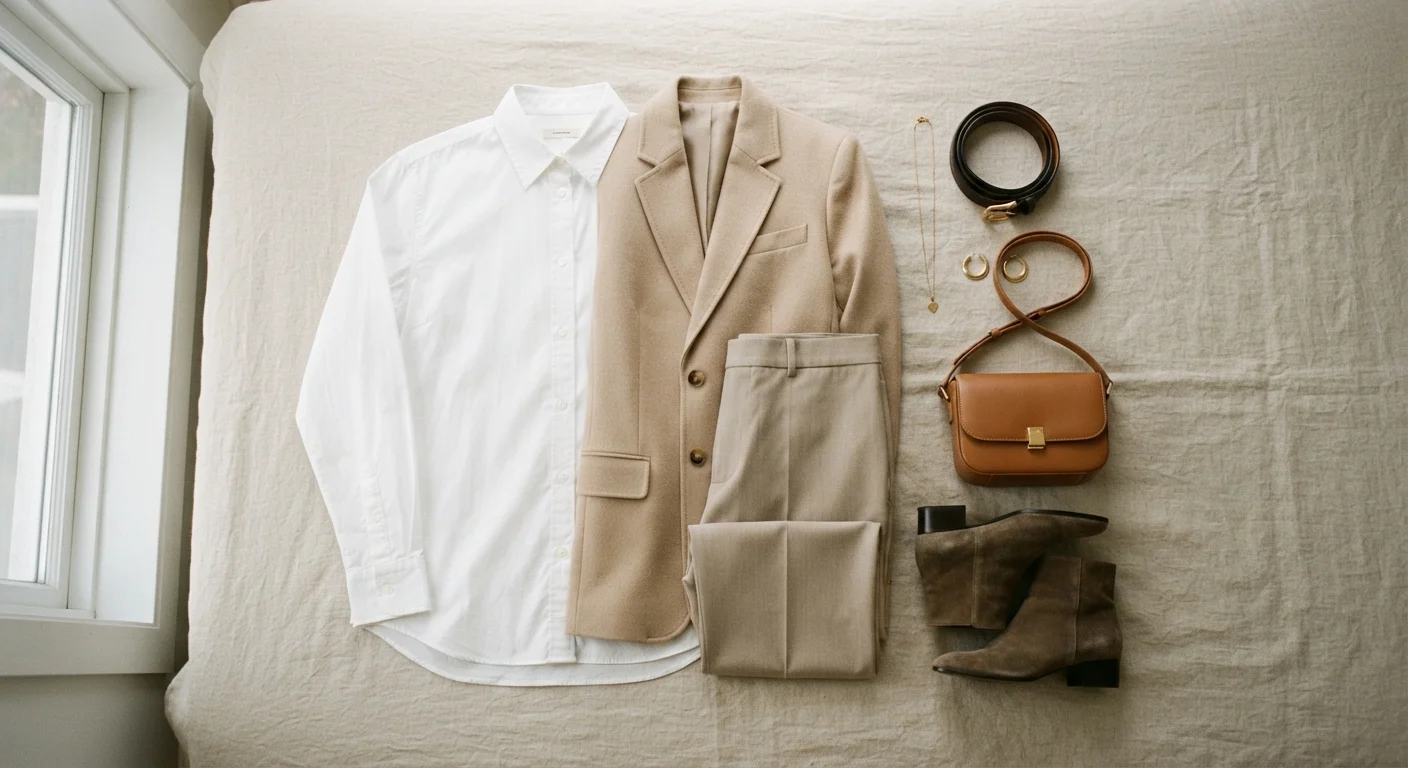
Most of us have experienced the frustration of a closet full of clothes and nothing to wear. The culprit is rarely a shortage of items — it's the absence of a unifying thread. Coherent personal style isn't about owning the right labels or following trends; it's about understanding a handful of core elements that work together consistently. Think of it as a visual language you're building fluency in.
These elements — silhouette, colour palette, fabric, fit, and occasion — are the grammar of that language. Master them and your wardrobe begins to feel curated rather than accumulated. This reference guide breaks each one down so you can start identifying your own preferences with confidence. For a broader orientation, the Fashion Basics hub is an excellent place to anchor your exploration.
| Core building blocks | Silhouette, colour palette, fabric, fit, lifestyle alignment |
| Ideal capsule palette size | 5–8 colours (General styling guidance) |
| Fastest style-coherence fix | Audit your 10 most-worn pieces |
| Most impactful single element | Fit — affects every garment regardless of price |
The Five Core Building Blocks
1. Silhouette
Silhouette refers to the overall shape a garment creates against your body. Do you gravitate toward structured, tailored lines, or do you prefer relaxed, draped shapes? Identifying your silhouette preferences is often the fastest shortcut to a consistent wardrobe, because once you know what shapes you reach for, you stop buying pieces that feel «off» once you get them home.
2. Colour Palette
A cohesive personal palette — typically five to eight colours that feel right together — makes mixing and matching almost automatic. Your palette doesn't need to be neutral-only; it just needs internal logic. Understanding your skin's undertone can sharpen these choices significantly. Our article on colour and personal style walks through how to find shades that genuinely flatter you.
3. Fabric and Texture
Fabric communicates formality, comfort, and mood. A linen blend reads relaxed; a heavy wool reads polished. Beyond aesthetics, fabric affects how a garment moves and how long it lasts. Developing a feel for quality fabrics — even at a basic level — helps you invest in pieces that hold their shape and appeal over time.
4. Fit
Fit is arguably the single most powerful element in any outfit. A well-fitting garment flatters virtually every body type; an ill-fitting one undermines even the most considered styling. Pay attention to shoulder seams, waistlines, and hem lengths — small tailoring adjustments can transform a piece from mediocre to essential.
5. Occasion and Lifestyle Alignment
The most overlooked building block is simple practicality. Your wardrobe should reflect your actual life — not an imagined version of it. If you work from home most days, a closet weighted toward formalwear will always feel misaligned. Mapping out how you actually spend your time before shopping prevents expensive mismatches. For help keeping your spending proportional to your lifestyle, the Budgeting Basics hub offers straightforward strategies.
Silhouette
The overall outline or shape a garment creates when worn. Common silhouettes include fitted, A-line, straight, and oversized.
Colour Palette
A curated set of colours that work harmoniously together within a wardrobe, making outfit combinations feel intentional and cohesive.
Undertone
The subtle underlying hue in your skin — typically warm (golden/peachy), cool (pink/blue), or neutral — that influences which colours appear most flattering on you.
Capsule Wardrobe
A small, carefully selected collection of versatile pieces that can be mixed and matched across many outfits, reducing decision fatigue and waste.
Drape
How a fabric falls and moves against the body. Fabrics with good drape (like silk or viscose) flow softly, while stiffer fabrics hold their shape.
Style Archetype
A broad fashion personality category — such as minimalist, classic, or bohemian — used as a framework for understanding your instinctive aesthetic preferences.
Finding Your Starting Point
If you're not sure where your preferences sit, a quick style audit helps. Pull out the ten pieces you wear most often and lay them side by side. Look for patterns: Are they mostly one silhouette family? Do certain colours keep appearing? Are the fabrics similar in weight or texture? Those patterns are your existing instincts speaking — and they're a reliable starting point.
Understanding broader style personalities can also give useful direction. Our piece on style archetypes explores six common fashion personalities that can help you name and refine what you're drawn to, without locking you into a rigid box. And if you want to explore how what you wear affects how you carry yourself, Dressing for Confidence unpacks that connection in depth.
Style Is Personal, Not Prescriptive
There's no single correct way to dress, and no building block is more important than another for every person. These elements are frameworks for self-discovery, not rules to follow rigidly. Treat them as tools you pick up and put down as your style evolves.
Coherent style is built incrementally — it rarely arrives all at once. Give yourself permission to experiment, edit, and refine. The goal is a wardrobe that feels like an honest reflection of who you are right now.