

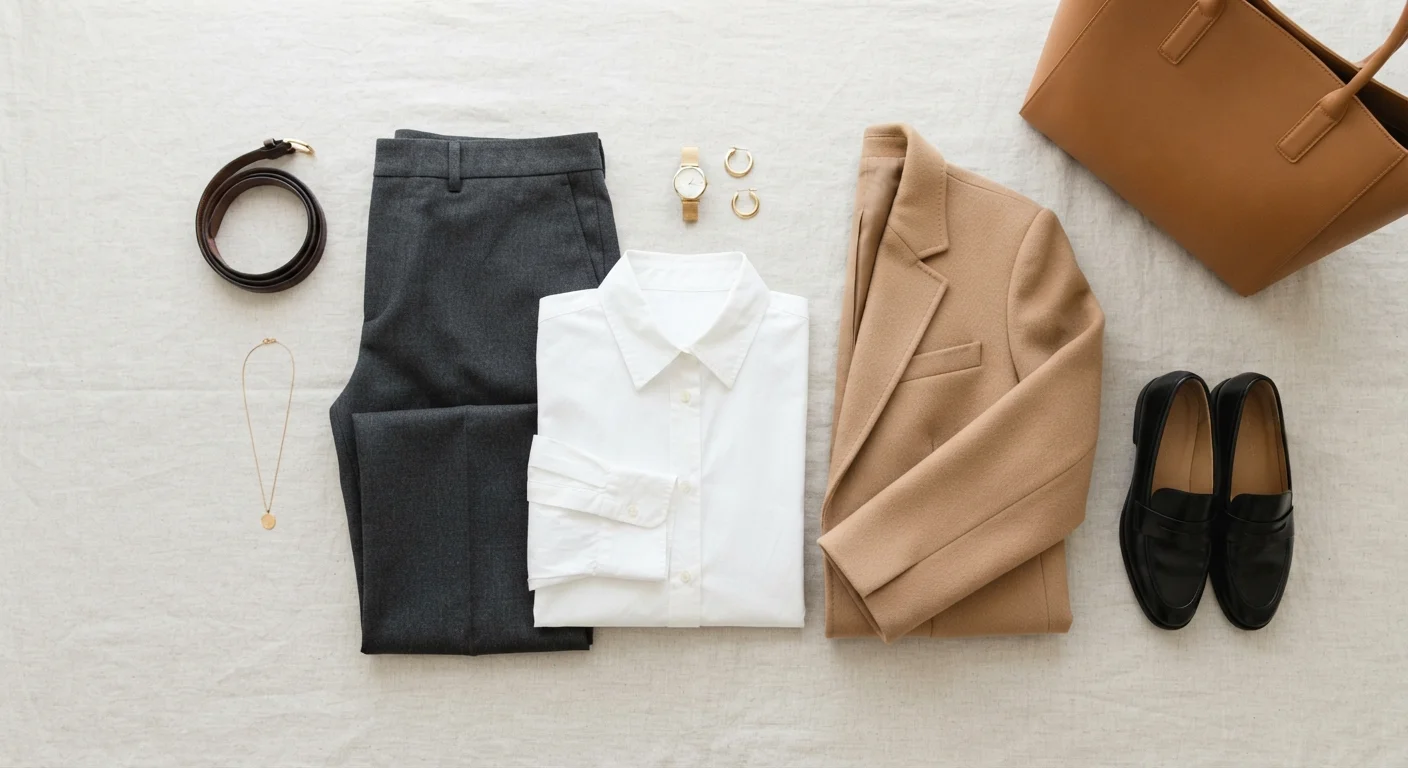
Key Takeaways
- A few carefully chosen pieces can cover casual, smart-casual, and semi-formal occasions without duplication.
- Versatility comes from fit, fabric, and neutral colour rather than novelty or trend-driven design.
- Understanding how to layer and accessorise multiplies the number of outfits any single piece can create.
- Prioritising pieces with broad occasion range helps first-time shoppers avoid costly wardrobe regret.
- Colour consistency across your wardrobe ensures new pieces integrate rather than sit unused.
Why Versatility Is the Smartest Starting Point
When you're building a wardrobe from scratch, the instinct is often to shop by occasion — something for work, something for weekends, something for that wedding in June. That logic sounds sensible until you realise you've spent a lot and still have nothing to wear on an ordinary Tuesday night out. A smarter starting point is identifying the pieces that pull double and triple duty, adapting across contexts with a change of shoes or a layering item.
Versatile dressing isn't about owning fewer things for the sake of minimalism. It's about making every item earn its place. As our guide to wardrobe essentials explains, the most functional closets are built around foundational categories that mix and match naturally. The list below focuses on exactly those categories — the ones worth prioritising before anything else.
Start With Fit Before Everything Else
No piece — however well chosen — will function across occasions if it doesn't fit well. Before evaluating colour, fabric, or price, assess how a garment sits at the shoulders, waist, and length. A well-fitting basic will always look more intentional than an ill-fitting investment piece. Many alterations are inexpensive and can significantly extend how often you reach for something.
The Pieces That Do the Most Work
The Tailored Trouser
A well-fitting trouser in a neutral tone — charcoal, navy, stone, or black — is arguably the highest-return piece in any wardrobe. Pair it with a relaxed T-shirt and clean sneakers for smart-casual, swap in a tucked blouse and loafers for the office, or add a blazer and heeled boot for an evening out. The key variable is fit: the trouser should skim the body without pulling. Fabric matters too — a mid-weight fabric like a cotton-wool blend holds structure across temperatures and resists creasing on longer days. Check our fabric guide for more on what to look for on the label.
One trouser in the right neutral can anchor casual, office, and evening looks equally well.
The Unstructured Blazer
Unlike its formal suit counterpart, an unstructured blazer has a relaxed, unconstructed shoulder and softer drape. This makes it the single most effective piece for elevating an outfit without making it feel stiff. Throw it over jeans and a plain tee for smart-casual; layer it over a dress for a semi-formal event; wear it open over a lightweight knit for transitional weather. Neutral tones work broadly, but a low-contrast texture — like a muted check or soft tweed — adds visual interest while remaining widely combinable. Because it navigates so many dress codes with ease, the unstructured blazer is covered further in our dress codes guide.
An unstructured blazer instantly bridges the gap between casual and semi-formal without looking overdressed.
The Midi Dress or Skirt
The midi length — roughly falling between the knee and ankle — occupies a middle ground that reads as neither overly casual nor formally demanding. A midi dress in a solid or subtle print can move from a daytime brunch to an evening dinner with a jacket swap. A midi skirt pairs with sneakers and a cropped knit for weekend wear, then transitions to a tucked silk blouse and mules for smarter settings. The silhouette is also forgiving across body types and comfortable enough for long days. Look for clean, unfussy construction that won't date quickly.
The midi silhouette is one of the few lengths that genuinely reads well across multiple formality levels.
The Fitted Crewneck or Fine-Knit Jumper
A fine-knit jumper in a solid neutral is a layering workhorse. Worn alone over tailored trousers, it reads as polished. Tucked into a midi skirt, it becomes a cohesive smart-casual outfit. Layered under a blazer or over a collared shirt, it adds texture without bulk. The crewneck neckline is the most versatile because it leaves room for jewellery and doesn't compete with outerwear. Merino wool is a common choice for its warmth-to-weight ratio and resistance to odour, though any smooth-gauge fabric will work well. Avoid chunky ribs or oversized fits if broad occasion range is the priority.
A fine-knit crewneck layers under blazers, over shirts, and alone — three distinct outfit roles in one piece.
Dark-Wash Straight-Leg Jeans
Denim occupies a unique position in the dress code spectrum: the right cut and wash can push it toward smart-casual with very little effort. A dark, uniform wash without visible distressing reads as intentional and put-together rather than weekend-relaxed. A straight or slim-straight leg avoids the strong trend associations of wide-leg or skinny silhouettes, giving the piece a longer useful life. Paired with a loafer and a tucked shirt, dark jeans work in most smart-casual environments. Dress them down with a plain tee and clean sneakers for everyday wear. The fit at the waist and through the thigh determines how polished the result looks, so prioritise those measurements when assessing options. Our first wardrobe guide includes more on why jeans are often the right starting purchase for new shoppers.
Dark-wash straight-leg jeans are the one denim style capable of bridging casual and smart-casual consistently.
The Versatile Flat or Low-Heel Shoe
Footwear often determines occasion more than any clothing piece. A clean leather or leather-look loafer, a simple pointed flat, or a block-heeled ankle boot can anchor both casual and smart-casual looks without sending a strong trend signal. Unlike statement shoes that define — and limit — an outfit, a restrained silhouette in a neutral tone allows the clothing to do its work. When choosing between options, prioritise sole durability and interior comfort: versatile shoes get worn frequently, so construction quality pays dividends. A shoe that reads appropriately across contexts also means fewer pairs are needed overall, which matters both for shopping budgets and physical storage.
Footwear sets the formality register — one well-chosen neutral shoe does the work of three trend-led pairs.
Versatility Works Differently for Everyone
The occasions you dress for shape which pieces earn their place in your wardrobe. Someone whose daily life moves between a physical job and weekend socialising will prioritise differently from someone attending regular professional meetings. Use this list as a framework, not a prescription. Our article on keeping style consistent across contexts explores how to adapt these principles to your specific routine.
Putting It All Together
The real power of versatile pieces shows up when they work together. A well-chosen colour palette is what makes that possible — when every item sits within a cohesive range of tones, combinations feel intentional rather than accidental. Our wardrobe colour strategy guide walks through exactly how to build that palette from the ground up.
Once you have a core of versatile pieces, seasonal updates become much simpler too. Rather than replacing your wardrobe each autumn or spring, you're just swapping out a few layering items or adjusting fabrics — a process covered in depth in our article on seasonal wardrobe transitions. If you're still weighing how many pieces you actually need, the comparison between a capsule wardrobe and a full wardrobe is worth reading before you shop further.