

Key Takeaways
- Bowl material matters — stainless steel is durable and hygienic, while some plastics can harbor bacteria over time.
- Scheduled meals are generally healthier than free-feeding, helping prevent overeating and weight gain.
- Portion size should follow your veterinarian's guidance, not just the packaging, since every pet's needs differ.
- Bowl placement and height can affect digestion and comfort, especially for larger or older animals.
- Consistent feeding times support your pet's internal routine and can reduce anxiety-related behaviors.
Why the Bowl You Choose Actually Matters
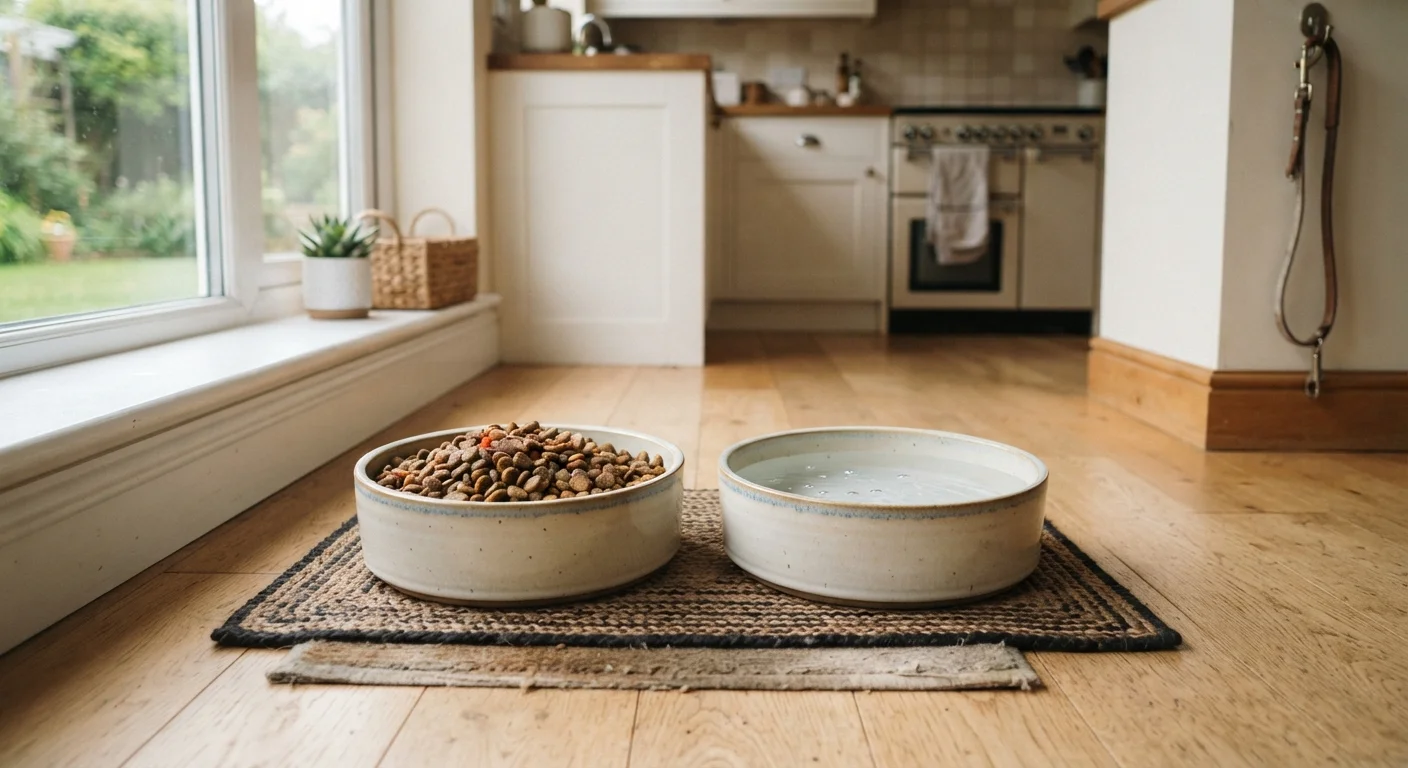
It's easy to grab the first pet bowl you see, but the material and design of a feeding dish can affect your pet's health in subtle ways. Stainless steel is widely regarded as the most hygienic option — it's nonporous, resists scratching, and is simple to clean thoroughly. Ceramic bowls are also popular, but chips or cracks can trap bacteria, so inspect them regularly and replace when damaged. Plastic bowls scratch easily over time, and those scratches create grooves where bacteria can accumulate; some pets also develop contact allergies to certain plastics, which can cause chin acne or skin irritation.
Bowl size should match your pet's muzzle and feeding portion. A bowl that's too deep can make eating uncomfortable for flat-faced breeds like pugs or Persian cats. Elevated stands may benefit larger dogs by reducing neck strain, though veterinary opinion on their role in bloat prevention is mixed — ask your vet what's appropriate for your specific animal.
Keep Bowls Separate for Multi-Pet Households
In homes with more than one pet, individual bowls placed in separate locations prevent competitive eating and make it much easier to monitor each animal's intake. Feeding pets in the same dish can mask appetite changes — a key early indicator of illness — and may cause stress around mealtimes.
Always wash food bowls daily with warm, soapy water. Water bowls should be rinsed and refilled at least once a day, and scrubbed several times per week. For more on keeping your pet well-hydrated, see our guide to pet hydration.
Scheduled Feeding vs. Free-Feeding: What Works Best
Free-feeding — leaving food out all day — can work for some cats who self-regulate, but it makes it difficult to monitor how much your pet is eating, and it increases the risk of overeating for many dogs and some cats. Scheduled meals give you clear visibility into your pet's appetite, which is often one of the first signs of illness when it changes.
Most adult dogs do well with two meals per day — morning and evening. Puppies typically require three to four smaller meals due to their higher energy needs and smaller stomachs. Adult cats can thrive on two to three meals per day. Your veterinarian is the right resource for tailoring a schedule based on your pet's age, breed, and health status.
Feeding Schedules Support More Than Just Digestion
Consistent feeding times don't just benefit your pet's gut — they help reinforce your pet's daily routine and can reduce anxiety-driven behaviors. A predictable schedule also makes house-training more manageable for puppies and newly adopted dogs. See how to build a daily routine your pet can rely on for a broader framework.
Consistent feeding times don't just support digestion — they help reinforce your pet's daily routine. A predictable schedule can reduce anxiety-driven behaviors and makes house-training more manageable for dogs. See how to build a daily routine your pet can rely on for a broader framework.
Getting Portions Right From the Start
Overfeeding is one of the most common mistakes new pet owners make — and it's an easy one to fall into with good intentions. Packaging guidelines are a starting point, not a prescription; they're calculated for an average animal and don't account for your pet's activity level, metabolism, or health conditions. Always discuss portion sizing with your veterinarian, especially for puppies, kittens, seniors, or pets managing a health issue.
Use a kitchen scale to measure portions rather than estimating by eye.
Visual estimates are consistently inaccurate and tend to run high. Even a small daily surplus of calories adds up to meaningful weight gain over weeks and months, which can strain joints and organs.
Adjust portions as your pet's life stage changes.
A puppy's caloric needs are very different from a senior dog's. Feeding the same amount across your pet's entire life can lead to excess weight in adulthood or nutritional shortfalls during growth.
Track your pet's body condition score alongside the scale.
Weight alone doesn't tell the full story. Body condition scoring — a system used by veterinarians to assess fat coverage and muscle tone — gives a more complete picture of whether your pet is at a healthy size.
Account for treats in your pet's daily calorie total.
Treats can represent a significant share of daily intake and are often overlooked in portion calculations, quietly pushing pets into caloric surplus.
For more on how to interpret what's actually in your pet's food, our article on reading a pet food label explains guaranteed analysis, ingredient lists, and feeding guidelines in plain language. And if you're weighing dry food versus wet food options, how each feeding approach differs covers the practical tradeoffs. New owners will also find it helpful to review common nutritional mistakes before establishing a routine.
This article provides general pet care information for educational purposes and is not a substitute for personalized advice from a licensed veterinarian. Consult your vet for guidance tailored to your individual pet's health and dietary needs.