

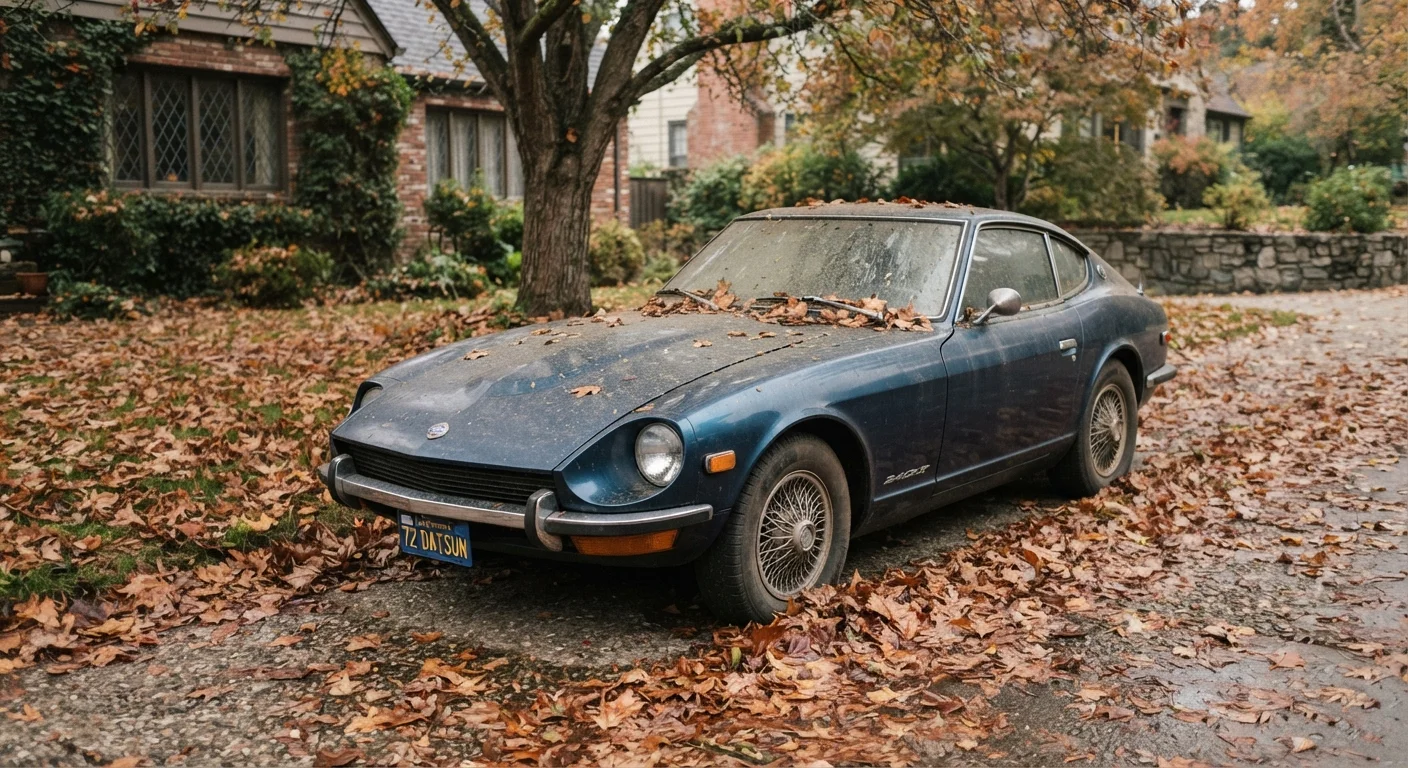
Key Takeaways
- Time-based degradation affects rarely driven cars just as much as mileage-based wear.
- Battery drain and tire flat-spotting are the two most common problems for parked vehicles.
- Oil should be changed by time interval, not just mileage, even if the car rarely moves.
- Short, periodic drives help circulate fluids, charge the battery, and prevent rubber deterioration.
- Moisture and corrosion can accelerate when a car sits unused for extended periods.
Why Low-Mileage Cars Still Need Regular Attention
Many first-time car owners assume that driving less means spending less on maintenance. The logic seems sound — fewer miles should mean less wear. But cars don't degrade only through use. They also degrade through time, inactivity, and exposure to the elements.
Fluids absorb moisture and break down chemically whether the engine runs or not. Rubber seals, hoses, and tires age and crack from UV exposure and temperature swings. Fuel can degrade in the tank. And a battery that rarely gets a full recharge cycle will lose capacity faster than one used daily.
If your car sits for weeks between drives — common for remote workers, city dwellers with transit options, or anyone with a second vehicle — these issues deserve just as much attention as the standard mileage-based schedule. Our guide to what maintenance actually looks like in year one covers the full picture for new owners.
Check Your Owner's Manual First
Manufacturer recommendations vary significantly across vehicle types, model years, and climates. Your owner's manual is the authoritative source for time-based intervals specific to your car. When in doubt, a qualified mechanic can help you interpret the schedule for your actual usage pattern.
The Six Practices That Protect a Parked Car
These habits directly address the failure modes most common in low-use vehicles. None require mechanical expertise — just awareness and consistency.
Drive the car for at least 20–30 minutes at highway speeds every two to three weeks.
Short trips don't allow the engine to reach full operating temperature, which means moisture accumulates in the oil and exhaust system. A longer drive burns off that moisture, circulates fluids fully, and allows the alternator to recharge the battery properly.
Follow time-based oil change intervals, not just mileage ones.
Motor oil breaks down chemically over time regardless of how many miles it's traveled. Most manufacturers specify a maximum time interval — commonly 12 months — as well as a mileage cap. Ignoring the time limit leaves degraded oil protecting your engine.
Check tire pressure monthly and move the car's position periodically.
Tires lose roughly 1–2 PSI per month naturally, and that rate increases in colder temperatures. Parking on the same spot for weeks also creates flat spots in the tire's contact patch, which can cause vibration or uneven wear when you do drive.
Use a battery maintainer (trickle charger) if the car will sit for more than two weeks.
A vehicle's electronics draw small amounts of power continuously — even when parked. Without regular driving to recharge the battery, these parasitic loads gradually drain it. Deep discharge cycles permanently reduce battery capacity.
Inspect and treat rubber components — including wiper blades, door seals, and hoses — at least once a year.
Rubber deteriorates from UV exposure, ozone in the air, and temperature cycling whether the car is driven or not. Cracked door seals allow moisture inside; deteriorated hoses can fail suddenly under pressure.
Add a fuel stabilizer if the car will go unused for a month or more.
Modern gasoline — particularly ethanol-blended fuel — begins to degrade in as little as 30 days, forming varnish deposits that can clog fuel injectors and affect engine performance. A stabilizer slows that oxidation process significantly.
Quick Actions You Can Take Right Now
If your car has been sitting for a few weeks and you haven't followed a low-use maintenance routine, these steps will help you catch up quickly.
For a broader view of what neglecting these steps can cost over time, see our article on the hidden costs of skipping routine maintenance.
Key Numbers Worth Knowing
When routine maintenance is tied to mileage, low-use drivers can easily lose track of where they stand. These data points help put the risks in perspective.
1–2 PSI
Monthly tire pressure loss under normal conditions
Tire pressure drops approximately 1 PSI for every 10°F decrease in temperature, compounding natural monthly loss in cold climates.
30 days
Time before ethanol-blended fuel begins to degrade
Fuel stability experts generally cite 30 days as the point at which ethanol-blended gasoline starts forming varnish deposits in fuel systems.
12 months
Common maximum time interval between oil changes
Many vehicle manufacturers specify an annual oil change as a maximum regardless of mileage driven, as oil degrades chemically over time.
Tires deserve particular attention for parked vehicles. Extended parking on the same spot creates flat spots in the tire contact patch — a problem that can worsen in cold weather. For a full breakdown of tire health numbers, see tire pressure, tread depth, and rotation guidance for new drivers.
Battery health is equally critical. A car driven only short distances rarely allows the alternator enough time to fully recharge the battery. Learn more in our guide to car battery health and how to extend its life.
“A car that sits is not a car that rests. Inactivity introduces its own category of wear — one that mileage-based thinking will cause you to miss entirely.”
— Automotive Maintenance Education Council, Industry body focused on consumer vehicle care education