

Key Takeaways
- Brake pads wear down gradually and typically need replacement every 25,000–65,000 miles depending on driving habits.
- Rotors can warp or wear thin over time and may need resurfacing or replacement when pads are changed.
- Brake fluid absorbs moisture over time, reducing its effectiveness and requiring periodic flushing.
- Squealing, grinding, or a soft brake pedal are warning signs that the system needs attention.
- Brake maintenance is safety-critical — always consult a qualified mechanic if you're uncertain.
Automotive Braking System
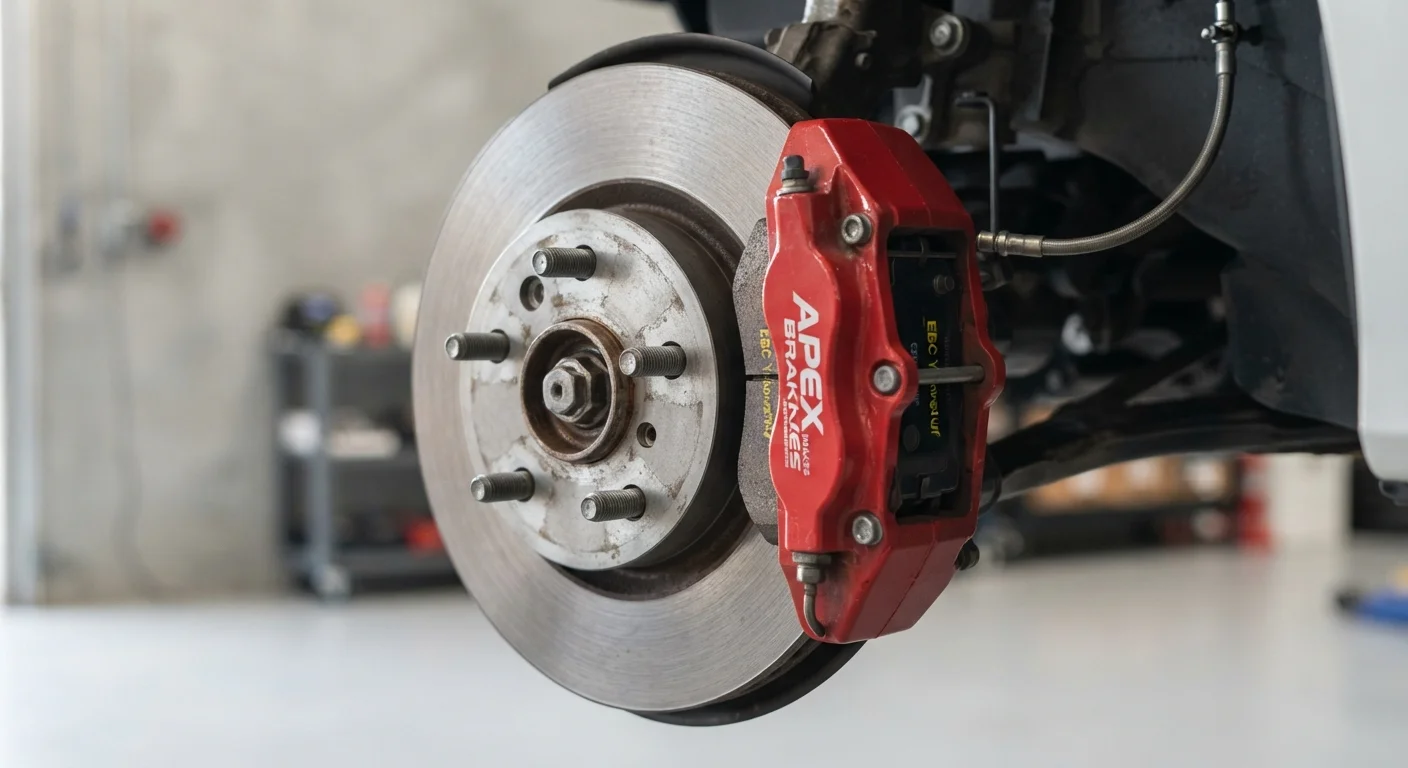
A car's braking system is the set of components that slow and stop your vehicle when you press the brake pedal. The three parts most owners need to understand are brake pads (friction material that grips the rotor), rotors (the metal discs the pads press against), and brake fluid (the hydraulic liquid that transfers pedal force to the brakes). Together, these parts convert your vehicle's kinetic energy into heat, bringing the car to a stop.
Most modern vehicles use disc brakes on all four wheels, though some older or economy models retain drum brakes at the rear — a different design, but governed by the same hydraulic principles.
Why the Braking System Deserves Your Attention
For first-time car owners, the braking system can feel like an intimidating black box — something mechanics mention at service time, often accompanied by a repair estimate. But understanding the three core components (pads, rotors, and fluid) doesn't require mechanical training. It just requires knowing what each part does, how it wears, and what warning signs to watch for.
This matters because brakes are the single most safety-critical system on your vehicle. Staying informed helps you make confident decisions at the shop and catch problems before they become expensive or dangerous. See our guide to your first year of car ownership for broader context on what routine upkeep looks like.
Drum Brakes: Still on Some Vehicles
Some vehicles — particularly older models or budget-tier cars — use drum brakes at the rear rather than disc brakes. Drum brakes use a different mechanism (brake shoes pressing outward against a drum), but they rely on the same hydraulic fluid and share similar wear patterns and service intervals. If your vehicle has rear drum brakes, your mechanic can explain the relevant inspection points.
Brake Pads: The Friction Layer That Does the Work
When you press the brake pedal, hydraulic pressure forces two brake pads to clamp against a spinning metal rotor. The resulting friction is what slows the wheel. Brake pads are made of friction material bonded to a metal backing plate — the friction material gradually wears away with use, which is by design.
Most pads include a small metal tab called a wear indicator. When the pad wears thin enough, this tab contacts the rotor and produces a high-pitched squeal — that's your warning that replacement is overdue. Ignoring this sound long enough leads to grinding, which means the metal backing plate is now contacting the rotor directly, causing rotor damage.
25,000–65,000 mi
Typical brake pad lifespan range
Actual lifespan varies significantly based on driving style, vehicle type, and pad material — city driving typically falls at the lower end of the range.
~2 years
Common brake fluid flush interval
Many vehicle manufacturers recommend replacing brake fluid every two years regardless of mileage, though always check your specific owner's manual.
Pad lifespan depends heavily on driving style. Stop-and-go city commuting wears pads significantly faster than steady highway miles. Aggressive braking, heavy loads, and hilly terrain all accelerate wear. As a rough guide, expect 25,000 to 65,000 miles from a set of pads — but always defer to your vehicle's owner's manual.
Rotors: The Discs That Take the Heat
Rotors — also called brake discs — are the large metal discs clamped by your brake pads. Each time you brake, enormous heat is generated as friction slows the wheel. Rotors are engineered to absorb and dissipate that heat, which is why they're often vented with internal channels.
Over time, rotors develop wear patterns. Thin grooves or scoring appear where the pad contacts the surface. Rotors also have a minimum thickness specification; once worn below that point, they can't safely dissipate heat and must be replaced. Warped rotors — often caused by rapid cooling after sustained heavy braking — produce a distinct pulsating sensation through the brake pedal.
Not every rotor needs replacing when pads do. A mechanic can measure rotor thickness and sometimes resurface (machine) them to a smooth, even finish — provided enough material remains. Understanding this distinction can help you have an informed conversation about repair options. See when to DIY vs. visit a mechanic for more on knowing where professional help is essential.
Brake Fluid: The Hydraulic Link in the System
Pressing the brake pedal doesn't directly move the brake pads — brake fluid does. Your foot's force is transmitted through the master cylinder into the brake lines, where pressurised fluid activates the calipers that clamp the pads against the rotors. It's a closed hydraulic circuit, and its integrity depends on the fluid inside.
The challenge is that brake fluid is hygroscopic — it naturally absorbs moisture from the atmosphere over time. As water content increases, the fluid's boiling point drops. Under hard braking, degraded fluid can boil within the lines, creating gas bubbles. Gas compresses (fluid doesn't), which causes brake fade — that alarming feeling where the pedal goes soft and braking power diminishes exactly when you need it most.
Check Brake Fluid Color as a Simple Gauge
Fresh brake fluid is typically clear to light amber in color. Fluid that has turned dark brown or black has absorbed significant moisture and contaminants, signaling it's due for replacement. You can visually inspect the fluid through the translucent reservoir under the hood — no tools required. If it looks dark, mention it at your next service appointment.
Most manufacturers recommend flushing and replacing brake fluid every two years or at a specific mileage interval. Check your owner's manual for the precise interval. You can also learn how to safely check the fluid level and condition at home in our car fluid checks guide.
Warning Signs You Shouldn't Ignore
Your car communicates brake problems through multiple channels. Learning to read these signals early saves money and, more importantly, keeps you safe.
- Squealing or squeaking: The most common early warning — usually the wear indicator doing its job.
- Grinding or metal-on-metal sound: Pads are worn through. Stop driving and arrange inspection immediately.
- Pulsating pedal: Often indicates warped rotors.
- Soft or spongy pedal: Possible air in the brake lines or degraded fluid — inspect promptly.
- Vehicle pulling to one side under braking: Can signal uneven pad wear or a sticking caliper.
- Brake warning light: Never ignore a dashboard brake indicator; have it diagnosed without delay.
For a broader view of how brake maintenance fits into your vehicle's overall service timeline, see what each service interval covers and our complete maintenance roadmap.
This article is for general informational purposes only and does not constitute professional mechanical advice. Always consult a qualified mechanic for diagnosis, repair, or any safety-critical vehicle maintenance.