

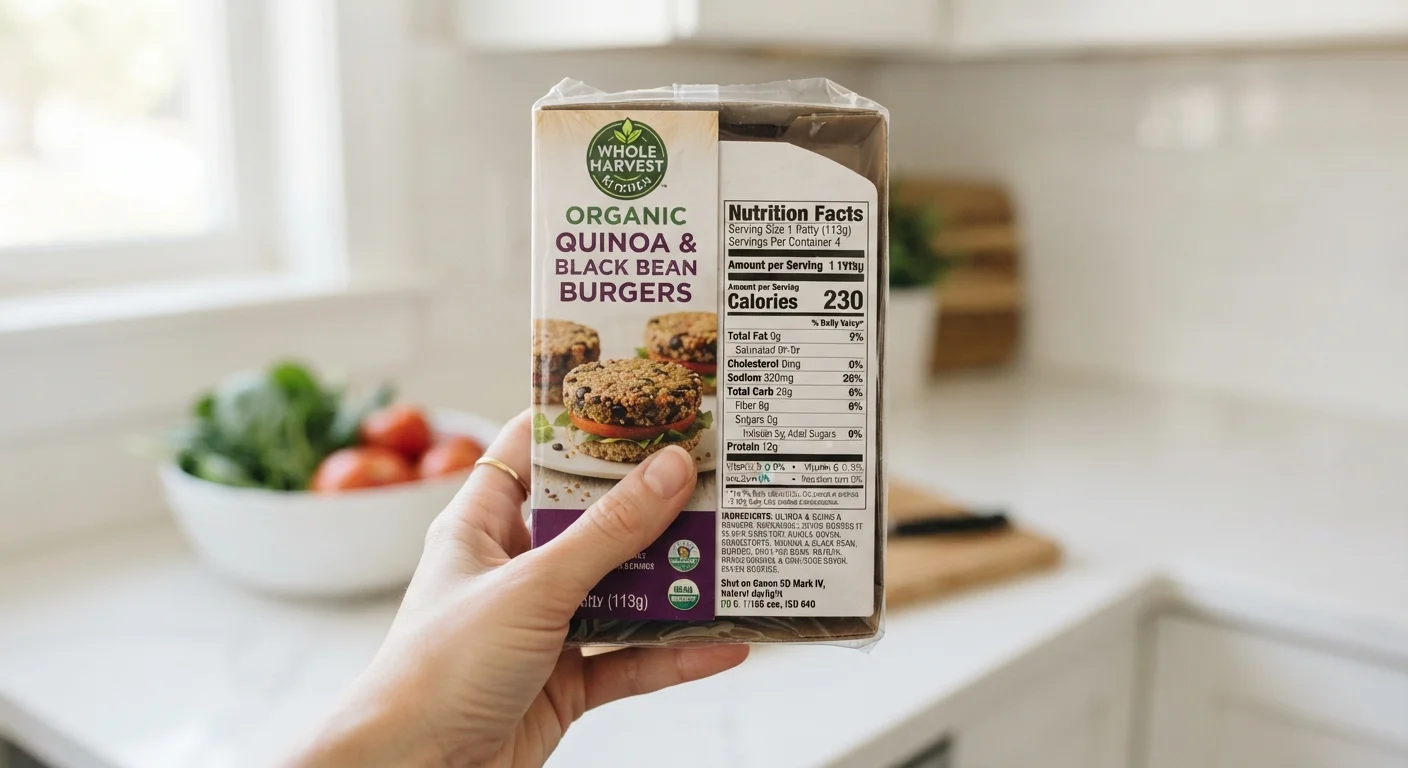
Key Takeaways
- Always check the serving size first — all other numbers on the label refer to that amount.
- The % Daily Value (%DV) tells you how much a nutrient contributes to a standard 2,000-calorie diet.
- Ingredients are listed by weight, so the first few ingredients make up the bulk of the product.
- Look for added sugars as a separate line item — they're distinct from naturally occurring sugars.
- Sodium and saturated fat are two nutrients most people benefit from keeping on their radar.
- A nutrition label is a tool for comparison and awareness, not a rigid rulebook.
What you will need
Why the Nutrition Label Matters
The Nutrition Facts label is one of the most practical tools available to grocery shoppers, yet most people glance at it without fully understanding what they're seeing. For first-time health shoppers, the label can feel like a wall of numbers. The good news: you only need to understand a handful of key areas to make it genuinely useful.
Think of the label the same way you might approach reading a product specification sheet — as structured data designed to inform your decision. Much like reading product specs without getting lost in the jargon, the key is knowing which numbers actually matter for your purposes and ignoring the rest until you're ready for more depth.
In the United States, the Nutrition Facts label format is standardized and regulated by the Food and Drug Administration (FDA). That means you can trust its structure across products, making comparison straightforward once you know the layout.
What you will need
How to Read a Nutrition Label, Step by Step
Follow these steps each time you pick up a new packaged product. With practice, it takes under a minute.
Nutrition Facts Panel
The standardized label on packaged foods that lists serving size, calories, and key nutrients.
Ingredients List
Found below or beside the Nutrition Facts panel; shows every ingredient in descending order by weight.
Smartphone or Magnifying Glass
Helpful for reading small-print labels, particularly on smaller packages.
Start with the serving size
Every number on a Nutrition Facts label — calories, fat, sodium, everything — applies to one serving, not the whole package. The serving size appears at the very top of the panel, usually in familiar units like cups or pieces, alongside a gram equivalent.
If a bag of crackers lists a serving as 16 crackers (30g) but you typically eat twice that, mentally double every number on the label. This one step alone prevents the most common misreading of nutrition information.
Note the calorie count
Directly below the serving size, you'll see Calories in bold. This number reflects the energy in one serving. Calories aren't inherently good or bad — they are simply a unit of energy. Context matters: a 200-calorie serving of nuts delivers protein and healthy fats; a 200-calorie serving of a sugary snack may offer little else.
Interpret the % Daily Value column
The right-hand column shows % Daily Value (%DV) for each nutrient. This percentage is based on a general 2,000-calorie daily diet — a reference point set by the FDA, not a personal prescription. A quick rule of thumb: 5% DV or less is considered low for a nutrient; 20% DV or more is considered high.
Use %DV to compare products at a glance. If you're trying to limit sodium, a product with 25% DV per serving is worth noting.
Scan key nutrients: fats, sodium, and carbohydrates
The label breaks down the main nutrient categories:
- Total Fat — includes saturated fat and trans fat as sub-lines. Most health guidelines suggest limiting saturated fat and avoiding artificial trans fats.
- Sodium — particularly relevant if you're monitoring cardiovascular health. High sodium intake is common in processed foods.
- Total Carbohydrate — broken into dietary fiber, total sugars, and added sugars. Added sugars are the ones to watch most closely — they represent sweeteners added during processing, separate from sugars naturally present in fruit or milk.
- Protein — listed as a total; no %DV is currently required for adults on most labels.
Check the vitamins and minerals section
Near the bottom of the panel, you'll find nutrients like Vitamin D, Calcium, Iron, and Potassium listed with their %DV. These are nutrients that many Americans tend to under-consume, which is why the FDA requires them to appear on the label. A high %DV here is generally a positive sign.
Read the ingredients list
The ingredients list is separate from the Nutrition Facts panel but equally valuable. Ingredients appear in descending order by weight — the first ingredient is present in the greatest amount. If sugar (or any of its many aliases: high-fructose corn syrup, cane juice, dextrose, maltose) appears within the first three ingredients, the product is likely high in added sugar.
A shorter ingredients list isn't automatically healthier, but it often means less processing. Ingredients you recognize by name tend to be a reasonable indicator of simpler formulation.
This Is Education, Not Medical Advice
Nutrition labels are general information tools designed for the public. This article explains how to read them — it does not constitute dietary or medical guidance tailored to your individual health situation. If you have a chronic condition, food allergy, or specific health goal, please consult a registered dietitian or your healthcare provider before making significant dietary changes.
Putting It All Together
Reading a nutrition label becomes intuitive with repetition. Start by focusing on just one or two elements — serving size and added sugars are good starting points — rather than trying to analyze everything at once.
Labels Are for Comparison, Not Perfection
No single food needs to be nutritionally perfect. Use the label as a tool to compare options and build general awareness over time. If you're new to thinking about nutrition, The Beginner's Map to Balanced Eating offers helpful foundational context.
As your confidence grows, you can layer in more detail. Understanding micronutrients like vitamins and minerals is a natural next step; Micronutrients at a Glance offers a clear reference. If unfamiliar terms keep appearing, our plain-language nutrition glossary can help fill in the gaps.
Front-of-Package Claims Can Be Misleading
Words like "natural," "light," or "multigrain" on the front of a package are marketing terms, not regulated nutritional standards. Always turn to the Nutrition Facts panel and ingredients list for accurate information — these are standardized and regulated by the FDA.
This article is for general informational and educational purposes only and does not constitute medical or dietary advice. Always consult a qualified healthcare professional or registered dietitian for guidance specific to your health needs.