
Cardio, Strength, or Flexibility: Understanding the Three Pillars of Physical Fitness

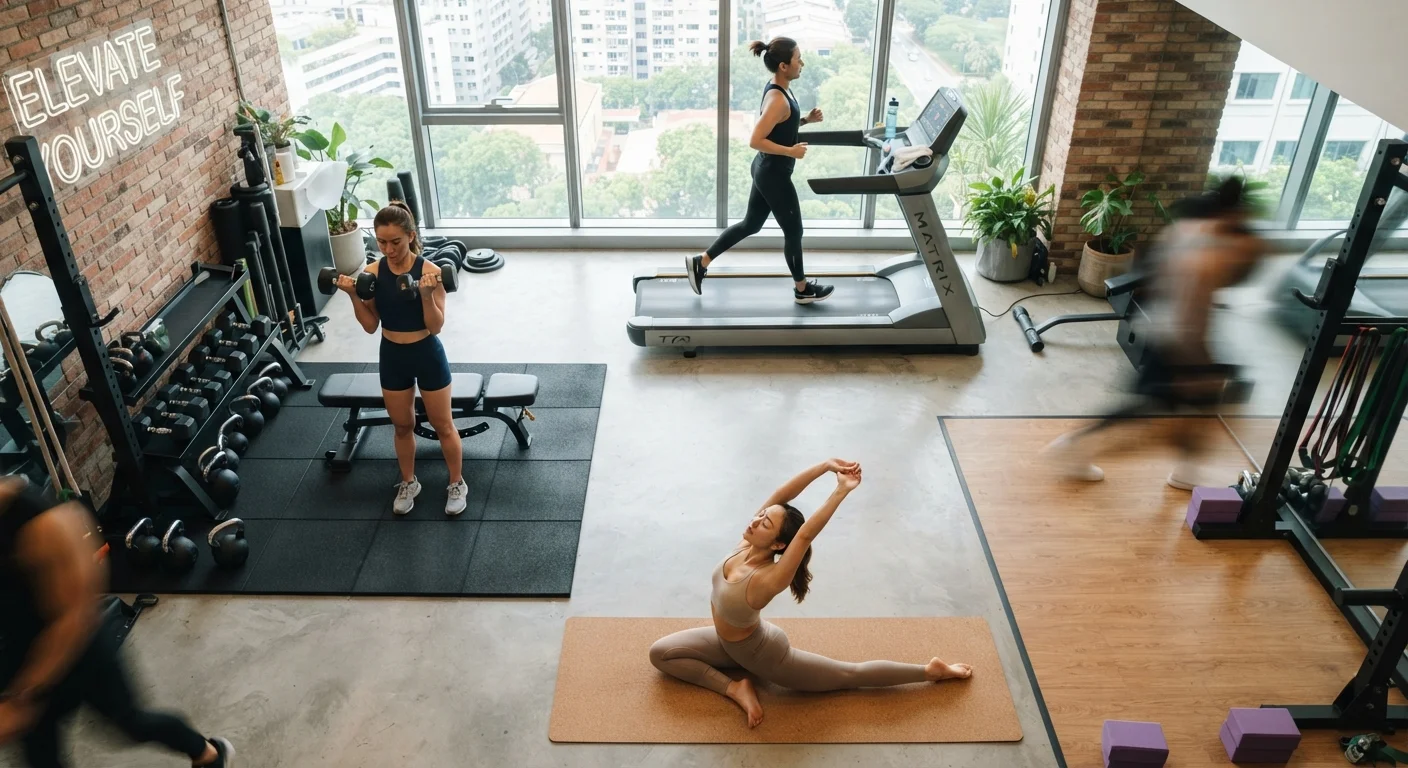
Key Takeaways
- Cardio strengthens your heart and lungs while improving endurance.
- Strength training builds muscle, supports bone density, and boosts metabolism.
- Flexibility work keeps joints mobile and reduces injury risk over time.
- No single pillar is sufficient on its own — balance across all three produces the broadest health benefits.
- Beginners don't need complex programs; even modest, consistent effort in each category makes a meaningful difference.
The Three Pillars of Fitness
Cardio, strength training, and flexibility are the three foundational categories of physical exercise. Each one challenges your body in a different way and supports a distinct aspect of your overall health. Together, they form a complete picture of physical fitness — one that goes far beyond simply hitting the gym or going for a run.
Exercise scientists often refer to these as the components of health-related fitness, alongside body composition. Major health organizations, including the American College of Sports Medicine, recommend incorporating all three in a well-rounded routine.
Why Three Pillars — and Why It Matters
Walk into any gym or open a fitness app and you'll be confronted with an overwhelming number of options: treadmills, barbells, resistance bands, yoga mats, HIIT classes, foam rollers. It's easy to wonder where to even begin. The good news is that almost every exercise in existence falls into one of three broad categories — cardio, strength, or flexibility — and understanding what each one does for your body makes the whole landscape far less intimidating.
For a deeper foundation, see what fitness actually means for a complete beginner before diving into the specifics here. And if you encounter unfamiliar terms along the way, the fitness vocabulary every new exerciser should know has plain-language definitions ready for you.
150 min
Weekly moderate cardio recommended for adults
The U.S. Department of Health and Human Services Physical Activity Guidelines for Americans recommend at least 150 minutes of moderate-intensity aerobic activity per week for most adults.
2x/week
Minimum strength training frequency recommended
The same federal guidelines advise that adults engage in muscle-strengthening activities targeting all major muscle groups on at least two days per week.
30%
Reduction in fall risk linked to flexibility and balance training
Research published in public health literature suggests that regular balance and flexibility exercise can meaningfully reduce fall risk in older adults, though individual results vary.
Cardio: Training Your Heart and Lungs
Cardiovascular exercise — often shortened to "cardio" — is any activity that raises your heart rate and keeps it elevated for a sustained period. Walking, cycling, swimming, dancing, and jogging are all classic examples. The goal is to challenge your heart and lungs so they adapt over time and become more efficient at delivering oxygen throughout your body.
Regular cardio is associated with a range of health benefits, including improved heart health, better blood pressure regulation, enhanced mood through endorphin release, and increased stamina for everyday tasks. It's also one of the most accessible forms of exercise — a brisk daily walk requires no equipment and no gym membership.
Start With What You'll Actually Do
The most effective cardio exercise is one you genuinely enjoy enough to repeat. If running feels miserable, try cycling, dancing, or swimming instead. Adherence matters far more than which specific activity you choose. Build the habit first, then refine the intensity.
Cardio doesn't have to mean running until you're exhausted. Moderate-intensity activity — where you can hold a conversation but still feel your effort — is effective and sustainable for most beginners.
Strength Training: Building a Stronger Body
Strength training (also called resistance training or weight training) involves working your muscles against some form of resistance — whether that's dumbbells, resistance bands, bodyweight, or machines. The goal is to progressively challenge your muscles so they repair and grow stronger over time.
Beyond visible muscle tone, strength training supports bone density, which becomes increasingly important as we age. It also plays a role in metabolic health, since muscle tissue burns more energy at rest than fat tissue. Everyday tasks — carrying groceries, climbing stairs, lifting children — become noticeably easier with a consistent strength foundation.
Beginners don't need heavy weights or complicated programs. Bodyweight exercises like squats, push-ups, and lunges are legitimate and effective starting points. The comprehensive beginner's starting point covers how to approach these movements safely.
Flexibility: The Often-Overlooked Pillar
Flexibility refers to your joints' and muscles' ability to move through their full range of motion. Stretching, yoga, Pilates, and targeted mobility work all fall into this category. While cardio and strength training tend to get the spotlight, flexibility is what keeps the other two sustainable over the long term.
Poor flexibility can contribute to muscle imbalances, joint discomfort, and a higher risk of injury — particularly as we age. Regular flexibility work helps counteract the tightening effects of prolonged sitting, repetitive movements, and even intense workouts. It also supports posture and can reduce everyday aches and tension.
“Flexibility is the foundation of longevity in fitness. Without adequate range of motion, the quality of every other movement — whether lifting, running, or simply sitting — is compromised.”
— American College of Sports Medicine, Leading professional organization in exercise science and sports medicine
Flexibility training pairs naturally with mental wellness practices. Mindful movement and breathing exercises that accompany many stretching routines can reduce stress and support recovery. Explore more at mental wellness resources.
Bringing It All Together
No single pillar of fitness covers everything your body needs. A routine built around cardio alone may neglect muscle and bone health; strength-only training without adequate flexibility can reduce mobility over time; and stretching without cardiovascular or resistance work leaves significant health benefits on the table.
A balanced approach doesn't mean doing three separate workouts every day. Many people naturally combine pillars — a strength session that ends with a 10-minute stretch, or a yoga class that builds both flexibility and body-weight strength. Group fitness formats can offer structured exposure to multiple pillars at once; weigh the honest trade-offs of group fitness classes to decide whether that format suits your style.
The most important step is simply to start — with movement that feels manageable and consistent. Supporting your physical activity with sound nutrition also matters; nutrition basics is a good companion resource as you build your routine.
This article is for general informational and educational purposes only and does not constitute medical or professional fitness advice. Consult a qualified healthcare provider or certified fitness professional before beginning any new exercise program, especially if you have an existing health condition or injury.