

Key Takeaways
- A vehicle history report aggregates records from DMVs, insurance companies, auctions, and repair shops.
- Title status flags — salvage, rebuilt, or flood — can significantly affect a car's safety and resale value.
- Accident records vary in detail; minor cosmetic incidents differ greatly from structural damage events.
- Ownership history and usage type (rental, fleet, personal) offer important context about how a car was driven.
- A clean report is encouraging but never a substitute for a professional pre-purchase inspection.
What you will need
What a Vehicle History Report Actually Contains
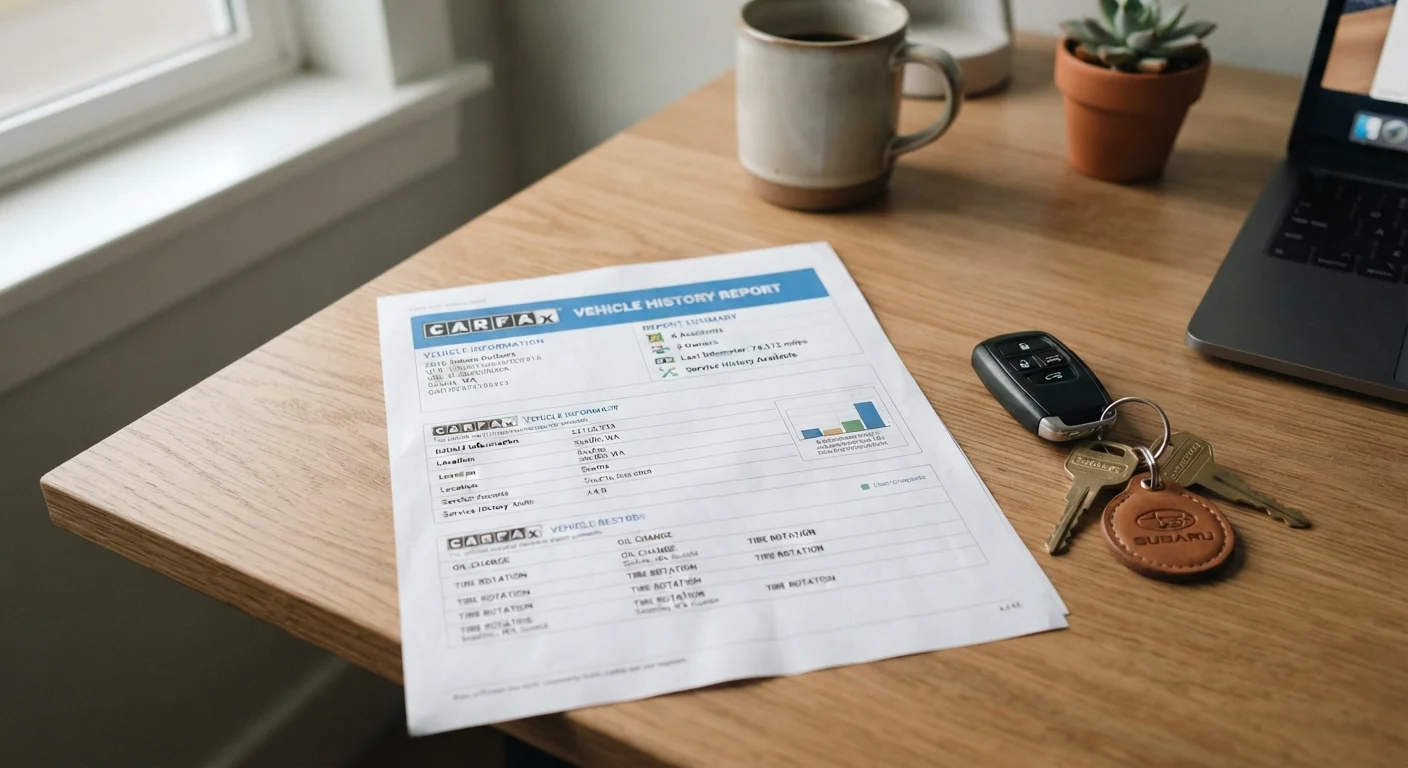
A vehicle history report compiles records from state DMVs, insurance companies, auto auctions, salvage yards, and service facilities into a single document tied to a car's VIN. It is not a complete picture — it only captures events that were officially reported — but it is an essential starting point when evaluating any used car. As part of the broader car-buying journey, reading this report carefully can surface serious concerns before you spend time or money on a vehicle.
Reports are generally organized into several key sections: title and brand history, accident and damage records, ownership history, odometer readings, service records, and recall or lien status. Each section answers a different question about the car's past. The steps below walk you through each one in the order that matters most.
What you will need
How to Read the Report Step by Step
Work through the report systematically rather than scanning for a summary verdict. A report with no accidents but three owners in two years tells a different story than one with a single minor accident and consistent ownership. Context is everything.
Vehicle Identification Number (VIN)
The 17-character code used to pull the vehicle's history — locate it on the dashboard corner or door jamb.
Vehicle history report service
The platform used to generate the report using the VIN; reports are available from several independent services.
Notepad or digital notes app
Record flagged items from the report to reference during negotiations or a mechanic inspection.
Locate the VIN and run the report
Find the Vehicle Identification Number (VIN) — a 17-character alphanumeric code — on the lower-left corner of the windshield (visible from outside), on the driver's door jamb sticker, or on the vehicle title. Enter it into a vehicle history report service to generate the report. Always verify that the VIN on the report matches the one physically on the car before reading further.
Check the title status section first
Title status is the most consequential section. Look for these designations:
- Clean title: No major recorded incidents affecting ownership.
- Salvage title: The vehicle was declared a total loss by an insurer, typically after a severe accident, flood, or theft recovery.
- Rebuilt/reconstructed title: A previously salvaged vehicle that passed a state inspection after repairs — but standards vary widely by state.
- Flood or lemon law buyback: Indicates prior water damage or a manufacturer repurchase due to defects.
A salvage or rebuilt title typically affects insurability, resale value, and financing eligibility. Understand what you're accepting before proceeding.
Review the accident and damage history
Accident records are sourced from insurance claims, police reports, and repair facilities — not all incidents are reported, so gaps are possible. When you see an accident entry, note:
- Severity: Minor (bumper scuff) vs. moderate or severe (airbag deployment, structural damage).
- Damage location: Frame or structural damage is a serious concern; cosmetic damage is less so.
- Whether airbags deployed: This indicates a significant impact force.
Multiple minor incidents over a short period may also indicate a pattern worth investigating.
Examine ownership history and usage type
This section shows how many owners the vehicle has had, where it was registered, and how it was used. Key things to assess:
- Number of owners: More owners in a short time can indicate recurring problems.
- Usage type: Rental, fleet, lease, and personal use each carry different maintenance patterns and wear profiles. Fleet vehicles are often serviced on schedule but driven hard.
- Geographic history: Vehicles previously registered in high-salt or coastal regions may carry hidden rust concerns.
Review the service and odometer records
Service records — oil changes, inspections, repairs — demonstrate how the car was maintained. Consistent intervals are a positive signal. Look also at odometer readings across time: a sudden large jump or a reading that decreases between entries may indicate odometer fraud. Flag any inconsistencies for further investigation.
Note open recalls or lien status
Some reports include open manufacturer recalls — safety-related defects the manufacturer is obligated to repair at no cost. Check whether listed recalls have been completed. Also review whether a lien (a financial claim from a lender) is recorded on the title; purchasing a vehicle with an unresolved lien can create legal complications. A clean lien status means the title can transfer without encumbrance.
Use the Report as a Negotiating Tool
Documented incidents — even minor ones — give you factual, neutral grounds to discuss pricing with a seller. You're not accusing anyone of deception; you're simply accounting for known history. A seller who is confident in the vehicle's condition will usually engage with the conversation constructively.
What to Do After Reading the Report
A vehicle history report is a research tool, not a final verdict. A clean report means no major incidents were officially recorded — it does not mean no problems exist. Unreported accidents, deferred maintenance, and mechanical wear won't appear in any database.
After reviewing the report, always pair it with a pre-purchase inspection by an independent mechanic. A mechanic can identify physical evidence of undisclosed repairs, frame damage, or mechanical issues that no report will show. If the report flagged concerns — particularly a rebuilt title or structural damage — share those specific entries with the mechanic so they know where to focus.
Keep your notes from the report when thinking through total ownership costs: a car with a complex history may carry higher insurance premiums or more frequent repair needs. And if you're still weighing whether a used car is the right path, our overview of new vs. used trade-offs can help you decide.
No Report Guarantees a Problem-Free Car
Vehicle history reports rely on events being officially reported to insurers, government agencies, or repair facilities. Private repairs, cash-settled fender-benders, and gradual mechanical neglect leave no trace in any database. Always treat the report as one layer of due diligence, not the final word.