

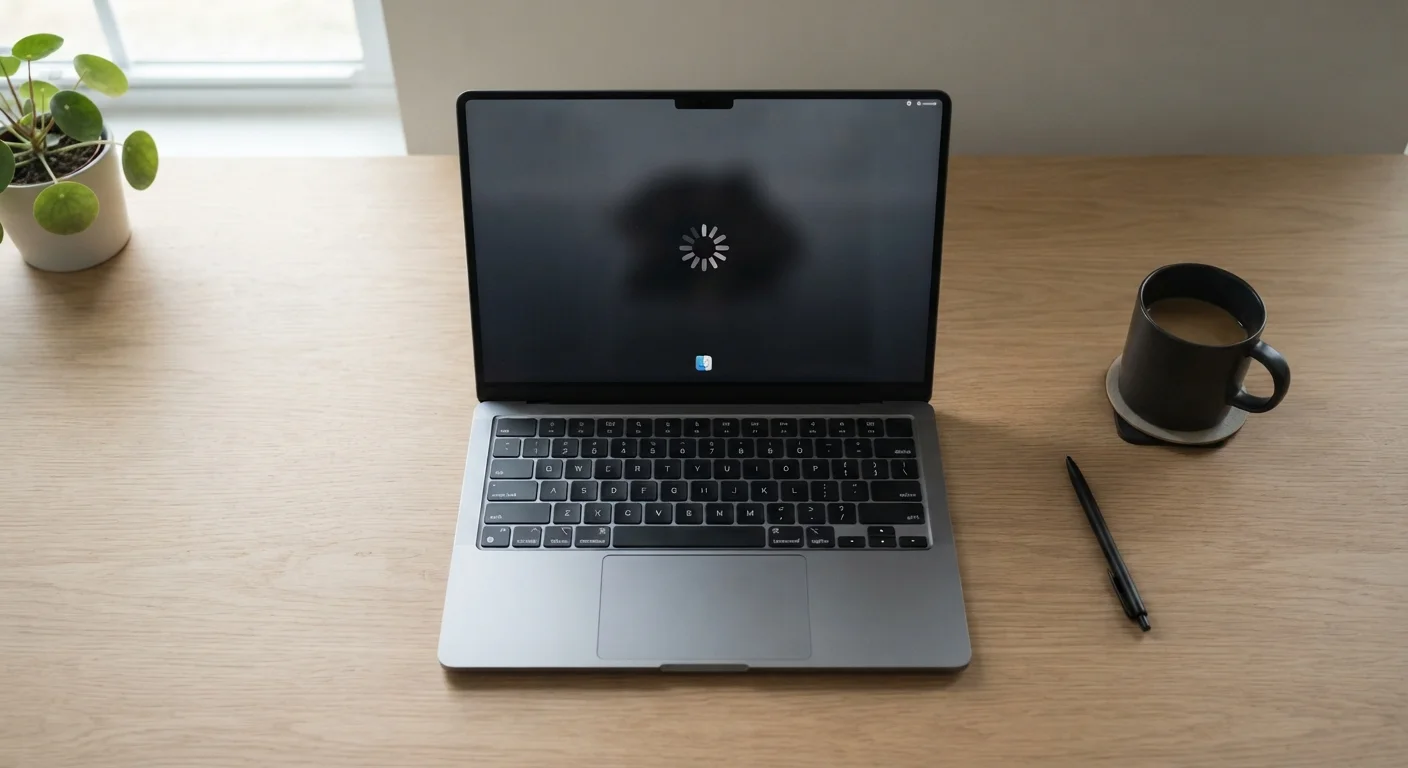
Key Takeaways
- Bloatware pre-installed by manufacturers can consume memory and slow startup significantly.
- Low RAM (8 GB or less) is the single most common hardware reason a laptop feels sluggish from day one.
- Background system updates during first setup drain performance temporarily but should resolve on their own.
- Storage type matters: a traditional hard drive is dramatically slower than a solid-state drive (SSD).
- Underpowered processors matched to heavy tasks cause persistent, unfixable slowness at the hardware level.
Why 'New' Doesn't Always Mean 'Fast'
Unboxing a new laptop and finding it sluggish is one of the most common frustrations in consumer electronics. The assumption is simple: new hardware should perform well. But 'new' and 'powerful' are not the same thing, and several factors — some hardware, some software — conspire to make even a fresh-out-of-the-box machine feel underwhelming.
The good news is that some causes are temporary and resolve on their own. Others are permanent hardware limitations that are important to understand before purchase, not after. Knowing which is which saves both money and disappointment. For a broader view of what to look for before you buy, the pre-purchase checklist is a practical starting point.
Don't Mistake Setup Slowness for a Defective Unit
During the first few hours of use, a new laptop runs a flood of background tasks: Windows or macOS updates, antivirus scans, cloud sync, and app installations. This temporary sluggishness is normal and usually resolves within 24 hours. Returning a laptop during this window may mean replacing a perfectly functional device.
The Most Common Mistakes That Lead to a Sluggish Experience
Most cases of new-laptop slowness trace back to a handful of avoidable decisions — or factors that weren't visible on the product listing. Understanding each one makes it easier to diagnose what you're dealing with and, more importantly, to avoid the same pitfall next time.
Choosing a laptop with a hard disk drive (HDD) instead of a solid-state drive (SSD) to save money.
Why it happens: HDDs offer more storage space at a lower price point, which looks attractive on a spec sheet. First-time buyers often prioritize gigabytes over storage technology.
Buying a laptop with only 4 GB or 8 GB of RAM for tasks like video calls, browser-heavy work, or light photo editing.
Why it happens: RAM (random-access memory) is invisible in everyday marketing, and minimum specs often sound adequate on paper. Many entry-level laptops ship with amounts that were sufficient years ago but are tight for modern software.
Selecting an entry-level processor for tasks it was never designed to handle smoothly.
Why it happens: Processor model numbers are confusing to newcomers, and marketing language like 'quad-core' doesn't communicate real-world performance tiers clearly. A chip built for basic web browsing will struggle with simultaneous video conferencing and document editing.
Ignoring pre-installed bloatware that runs automatically in the background from the moment the laptop starts.
Why it happens: Manufacturer and retailer partnerships result in trial software, subscription prompts, and companion apps being bundled into the device. Most users don't realize these run constantly, not just when opened.
Expecting full-speed performance while the laptop completes its first-run update cycle.
Why it happens: Out-of-the-box, operating systems and pre-installed apps are often months behind on updates, so everything downloads and installs simultaneously. Users assume this slow state is normal and permanent.
Slow Hardware Can't Be Fixed With Software
If a laptop's processor or storage type is genuinely underpowered for your tasks, no settings tweak or cleanup routine will resolve the issue. These are hardware limitations. Understanding them before purchase — not after — is the only reliable solution. See our pre-purchase checklist for what to verify before you commit.
Budget constraints are real, and compromises are sometimes unavoidable. But knowing which compromises hurt performance most is half the battle. Our article on laptop budget trade-offs breaks down where cutting costs genuinely stings versus where it's largely harmless.
What You Can Do After the Fact
If you already own a laptop that feels slow, the first step is identifying whether the issue is temporary or structural. Let the device run plugged in overnight so updates can complete. Then check Task Manager (Windows) or Activity Monitor (macOS) to see what's consuming CPU and memory in the background.
Disabling startup programs and uninstalling bloatware are the most impactful software-side fixes. If the machine still feels slow after those steps, the limitation is likely hardware — and the realistic options narrow considerably. Some laptops allow a RAM upgrade; fewer allow storage swaps. Both depend entirely on the model.
~5×
Speed difference: SSD vs HDD for boot times
Consumer storage benchmarks consistently show SSDs boot a typical operating system five or more times faster than traditional hard drives under similar conditions.
16 GB
RAM now considered a practical baseline
Technology analysts and hardware reviewers widely note that 16 GB of RAM is increasingly the minimum for comfortable multitasking on modern operating systems as of the mid-2020s.
For habits that keep a laptop performing well over the long term — not just in the first week — the guide on keeping your laptop running well covers storage management, cooling, and update routines that genuinely help.