
When Buying More Ends Up Meaning Less: Common First-Time Shopper Wardrobe Traps

Key Takeaways
- Buying more clothing rarely solves the problem of having nothing to wear.
- Most first-time shoppers overbuy in categories they already have and neglect genuine gaps.
- Shopping with a clear sense of your lifestyle prevents impulse purchases you'll regret.
- Versatility — not volume — is what makes a wardrobe feel effortless and functional.
- A short self-assessment before any shopping trip can save significant money and closet space.
Why More Choices Can Lead to Fewer Outfits
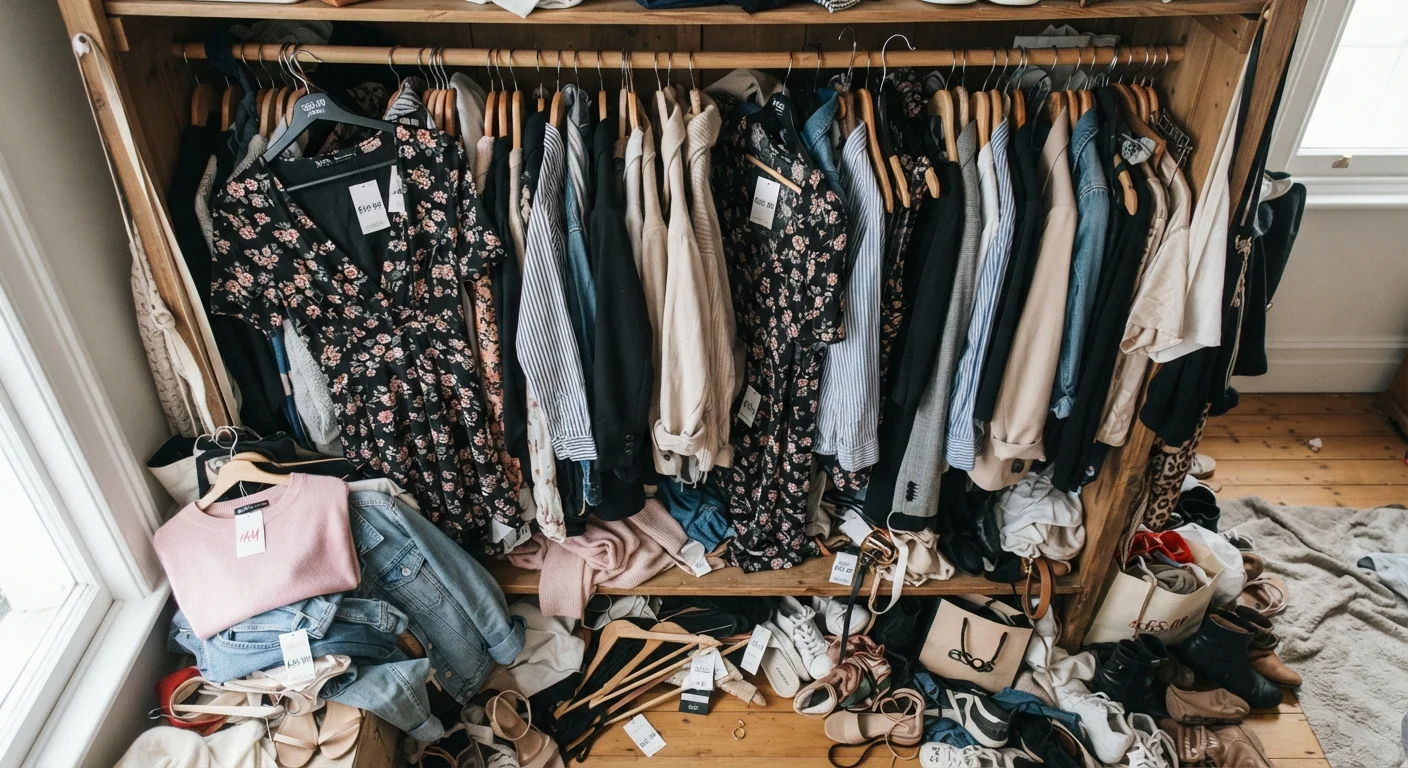
Here's a paradox that catches nearly every first-time shopper off guard: the more you buy without a strategy, the harder it becomes to get dressed. A wardrobe stuffed with individual pieces that don't connect to each other creates what stylists sometimes call a 'full closet, nothing to wear' problem — and it's more common than you'd think.
The core issue isn't quantity. It's coherence. When purchases happen reactively — responding to a sale, a trend, or a mood — the wardrobe becomes a collection of moments rather than a functional system. Understanding why this happens is the first step toward shopping differently. The patterns below are some of the most frequent traps first-time shoppers fall into, and each one has a practical fix.
Before diving in, it's worth knowing that a simple pre-shopping self-assessment can dramatically change what ends up in your cart — and what doesn't.
Buying items you love in isolation without asking 'what does this go with?'
Why it happens: A piece looks irresistible on its own — the color is perfect, the fit is great — but you never pause to picture it alongside what you already own.
Chasing trends instead of building a personal style foundation first.
Why it happens: Trend-driven content is constant and compelling, making seasonal styles feel urgent and essential when they're actually optional extras.
Buying aspirational sizes or 'motivation' pieces that don't fit your body right now.
Why it happens: The idea of future-you wearing that item feels positive and goal-oriented in the moment, making the purchase feel justified.
Stockpiling duplicates of items that feel 'safe' while ignoring actual wardrobe gaps.
Why it happens: Returning to comfortable categories feels lower risk than buying something new, so shoppers unconsciously collect five versions of what they already have.
Treating sales as a reason to buy rather than a potential bonus on a planned purchase.
Why it happens: Discount framing creates a sense of urgency and loss aversion — 'I'm saving money' overrides the more accurate 'I'm spending money I hadn't planned to spend.'
Skipping a self-assessment of your actual daily lifestyle before building your wardrobe.
Why it happens: First-time shoppers often buy for an idealized version of their life — more events, more occasions — rather than the routine they actually live.
Shopping Smarter: Building Intention Into Every Purchase
Avoiding these traps doesn't mean shopping less — it means shopping with more direction. The shift from reactive to intentional buying is less about willpower and more about having a clear picture of what you actually need before you're standing in a store or scrolling a product page.
~20%
Clothing worn regularly by average owner
Research cited by multiple wardrobe psychology studies suggests most people regularly wear only around 20% of what they own, leaving the majority of purchases underused.
3+
Outfit combinations per piece — a useful benchmark
Style educators commonly recommend that any new clothing item should pair with at least three existing pieces in your wardrobe before it earns a place there.
One reframe that helps: think of your wardrobe as a working wardrobe rather than a collection. Every piece should be able to do a job. If you're unsure what that job is when you're considering a purchase, that uncertainty is useful information.
For a grounded look at what foundational pieces actually earn their closet space, wardrobe essentials for new shoppers breaks it down category by category. And if you're thinking about investing in fewer, better items rather than volume, the case for quality over quantity walks through exactly what that trade-off looks like in practice.
Sales Can Amplify Overspending Patterns
Discount events are genuinely useful if you're buying something you'd already planned to purchase. But they're also the environment where the traps above are hardest to resist — urgency, volume, and variety all compound each other. Going into any sale with a written short-list, and treating it as a filter rather than a starting point, is one of the most effective habits you can build. For a broader look at common retail tactics, see avoiding buyer traps.
Finally, it's worth understanding the difference between a genuinely impulsive purchase and a spontaneous one that actually makes sense — impulse buying versus spontaneous buying explains why not every unplanned purchase is a mistake. Clarity about your wardrobe goals, referenced against solid budgeting basics, is what separates spending you'll feel good about from spending you'll quietly regret.