

Key Takeaways
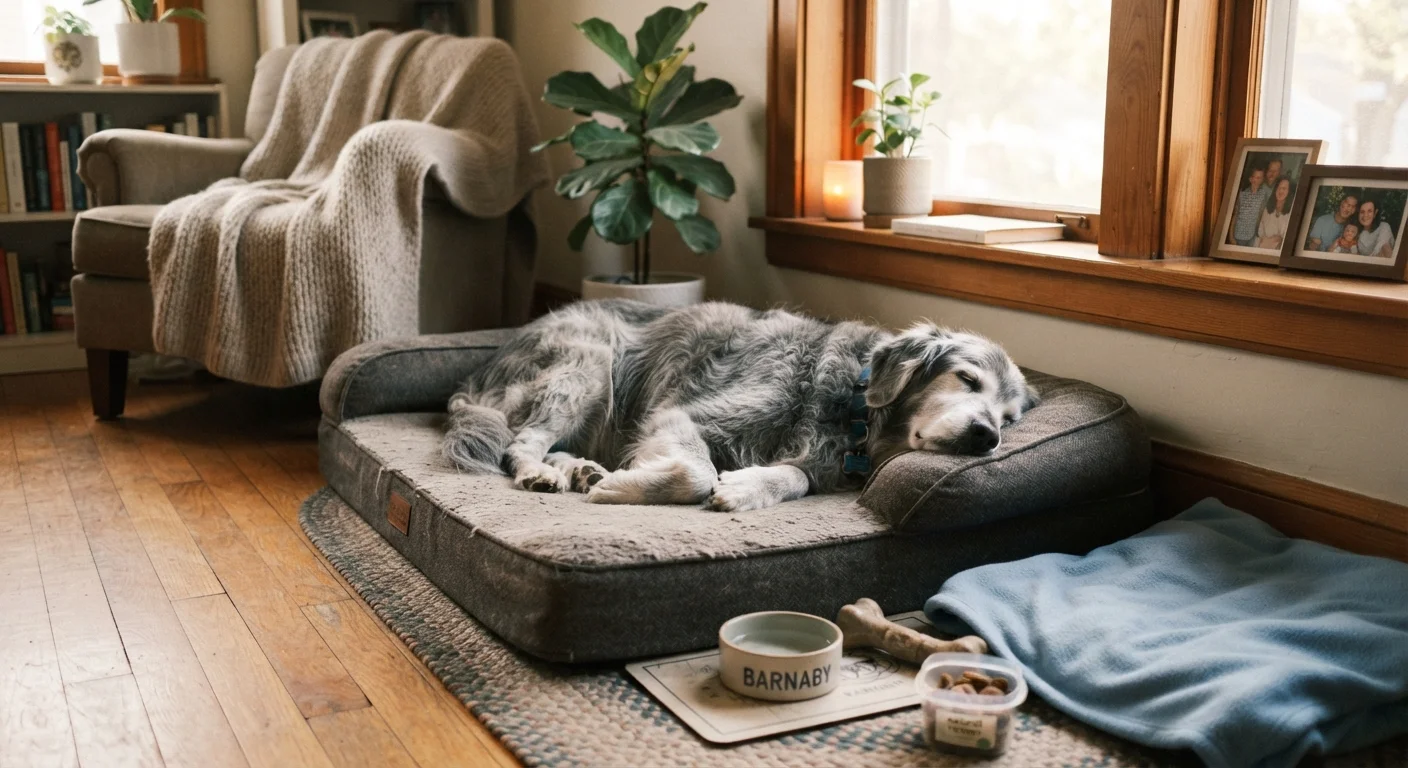
- Aging pets often need orthopedic or memory-foam beds to relieve joint pressure and improve sleep quality.
- Ramps and steps reduce strain on arthritic joints when pets need to reach elevated surfaces.
- Raised food and water bowls can ease neck and shoulder discomfort in older dogs and cats.
- Non-slip mats and rugs help senior pets move safely on smooth flooring without slipping.
- Grooming tools designed for sensitive skin help maintain coat health without causing discomfort.
- Consult your veterinarian before making major changes to your senior pet's routine or environment.
Why Senior Pets Need a Different Approach to Supplies
A pet crossing into their senior years — generally around age seven for dogs and cats, though this varies by species and size — isn't simply an older version of their younger self. Joints stiffen, muscles lose mass, senses dull, and the energy required to navigate an environment designed for a younger animal adds up. What worked perfectly at two years old may now cause daily discomfort.
The good news is that many of the most effective adjustments are straightforward. You don't need to overhaul everything at once. Understanding which supplies genuinely address the physical realities of aging — and which are more marketing than function — helps you focus your energy and resources where they count. See our guide to how senior pet health needs shift for broader context on what changes to expect.
Orthopedic or Memory-Foam Sleeping Surface
Sleep is when the body repairs itself, and for a senior pet with achy joints, a thin or unsupportive surface can mean waking up stiffer than they went to sleep. Orthopedic beds use dense foam — often memory foam — that distributes body weight evenly and reduces pressure on hips, elbows, and shoulders.
Look for a bed with a low entry point so your pet doesn't have to step up or climb in, and a removable, washable cover for hygiene. For more detail on how different bed designs function, see our overview of pet bed types and what they're designed for.
A supportive sleeping surface can reduce morning stiffness and improve overall rest quality.
Ramps and Steps for Elevated Surfaces
Jumping from the floor to a couch, bed, or car seat generates significant impact force on a pet's joints — force that a young, flexible animal absorbs easily but that becomes genuinely painful with age or arthritis. Pet ramps and steps give animals a gradual incline to climb rather than requiring a leap.
Ramps tend to work better for dogs with very limited mobility; steps suit pets who still have reasonable agility but need a smaller jump. Either option should have a non-slip surface. Introduce the ramp slowly — many older pets are initially cautious about new surfaces and benefit from calm encouragement.
Ramps eliminate the repetitive joint impact that jumping causes for arthritic animals.
Raised Food and Water Bowls
Repeatedly bending the neck down to floor level to eat or drink puts sustained strain on the neck, shoulders, and spine — areas that are often already compromised in senior animals. Elevated feeders position the bowl at a more natural height, reducing the effort required for each meal.
An appropriate height varies by pet size: the bowl should sit roughly at chest level when your pet is standing. This adjustment is particularly helpful for large and giant breed dogs prone to neck and spinal issues, and for cats with arthritis who eat multiple small meals throughout the day.
Elevated bowls reduce neck strain during meals, which matters most for pets eating multiple times daily.
Non-Slip Mats and Flooring Aids
Smooth hardwood, tile, or laminate floors can be treacherous for a senior pet whose muscle strength and coordination have declined. Slipping — even minor slipping — forces compensatory muscle contractions that fatigue aging joints quickly, and a serious fall can cause injury.
Placing washable non-slip rugs or yoga-style mats along your pet's common paths — between their sleeping area, feeding station, and door — significantly reduces this risk. Non-slip booties or toe grips (small rubber rings that adhere to nails) are another option for dogs resistant to walking on soft surfaces.
Slippery floors are one of the most underestimated hazards for senior pets living indoors.
Gentle Grooming Tools for Sensitive Skin and Coats
An older pet's skin often becomes thinner, drier, and more sensitive, while their coat may thin or change in texture. Standard brushes and combs that were fine at a younger age can now cause discomfort or minor skin abrasion. Switching to soft-bristle brushes or grooming gloves makes the process more comfortable.
Regular gentle grooming also serves as a hands-on health check — you're looking for new lumps, skin changes, or areas of apparent tenderness. Keeping nails trimmed is especially important for mobility: overgrown nails alter a pet's gait, which stresses already-vulnerable joints. If nail trimming is stressful, many veterinary clinics and groomers offer this as a standalone service.
Grooming isn't just cosmetic — it's a low-stress opportunity to monitor your senior pet's health.
Water Access at Multiple Points
Senior pets — particularly cats — are at higher risk for kidney and urinary tract issues, and adequate water intake is a key preventive factor. Older animals may also be less motivated to walk across the house to reach their single water bowl, especially if movement is uncomfortable.
Placing water bowls in multiple locations (near the sleeping area, in the main living space, close to the food bowl) removes distance as a barrier to drinking. Pet water fountains that provide moving water can also encourage reluctant drinkers, as the motion and sound attracts their attention. Discuss your pet's hydration habits with your veterinarian at regular checkups.
Multiple water stations reduce barriers to drinking — critical for senior pets prone to kidney issues.
Putting It All Together
You don't need to buy everything at once. Start by observing where your pet struggles — do they hesitate before jumping onto the couch? Slip on the kitchen floor? Struggle to lower their neck to a bowl? Those friction points reveal where a targeted supply change will have the most impact.
Start with One Change at a Time
Older pets can be sensitive to environmental changes, and introducing too many new items at once may cause confusion or anxiety. Pick the adjustment that addresses your pet's most visible struggle first, give them a week or two to adapt, then layer in the next change. Gradual transitions tend to produce better long-term adoption.
Building a consistent daily rhythm around your pet's new setup also matters. Familiar timing for meals, rest, and gentle activity reduces stress in older animals. For ideas on structuring your pet's day, see how to build a daily routine your pet can rely on.
This article is for general informational purposes only and is not a substitute for professional veterinary advice. Always consult a licensed veterinarian regarding your individual pet's health and care needs.