

Key Takeaways
- Document the scene thoroughly before moving vehicles or leaving the location.
- Notify your insurer promptly — most policies require timely reporting after an incident.
- An adjuster will assess damage and determine the payout based on your coverage type.
- Your deductible is subtracted from any claim payment before you receive funds.
- Understanding the process now prevents costly missteps when emotions are running high.
What you will need
Why Understanding the Process Before an Incident Matters
Most first-time policyholders spend careful time choosing coverage — and then put the policy away and don't think about it again. That's understandable, but it means the first encounter with the claims process happens under stress, often roadside, when clarity is hardest to maintain.
A claim is not just an administrative task. It's a structured process with specific steps, timelines, and documentation requirements. Missing one of them can delay payment, reduce your payout, or — in worst cases — give the insurer grounds to dispute the claim. Knowing the sequence in advance changes the experience from reactive scrambling to methodical execution.
For a solid foundation on what your policy actually covers before an incident occurs, see our introduction to core coverage concepts and our comprehensive auto insurance primer — both will make the steps below easier to apply.
Insurance ID card or digital copy
Required at the scene to exchange policy information with other parties and to initiate your claim.
Smartphone with camera
Used to photograph vehicle damage, the scene, license plates, and any injuries for claim documentation.
Notepad or notes app
Records witness names, contact details, officer badge numbers, and sequence of events while memory is fresh.
Police report number
Serves as an official third-party record that insurers frequently request during the claims review.
Step-by-Step: From Incident to Resolved Claim
The steps below follow the standard claims sequence for a typical collision or covered incident. Specific details — timelines, coverage triggers, and payout calculations — vary by policy and state, so treat this as an informed framework rather than a guarantee of how any individual claim will unfold.
What you will need
Ensure safety and call emergency services if needed
Before anything else, confirm that everyone involved is safe. If there are injuries or the vehicles are blocking traffic, call 911 immediately. Do not move a seriously injured person unless there is an immediate safety risk. Once the scene is secure, turn on hazard lights and, where safe to do so, move vehicles out of the traffic lane.
Document the scene thoroughly
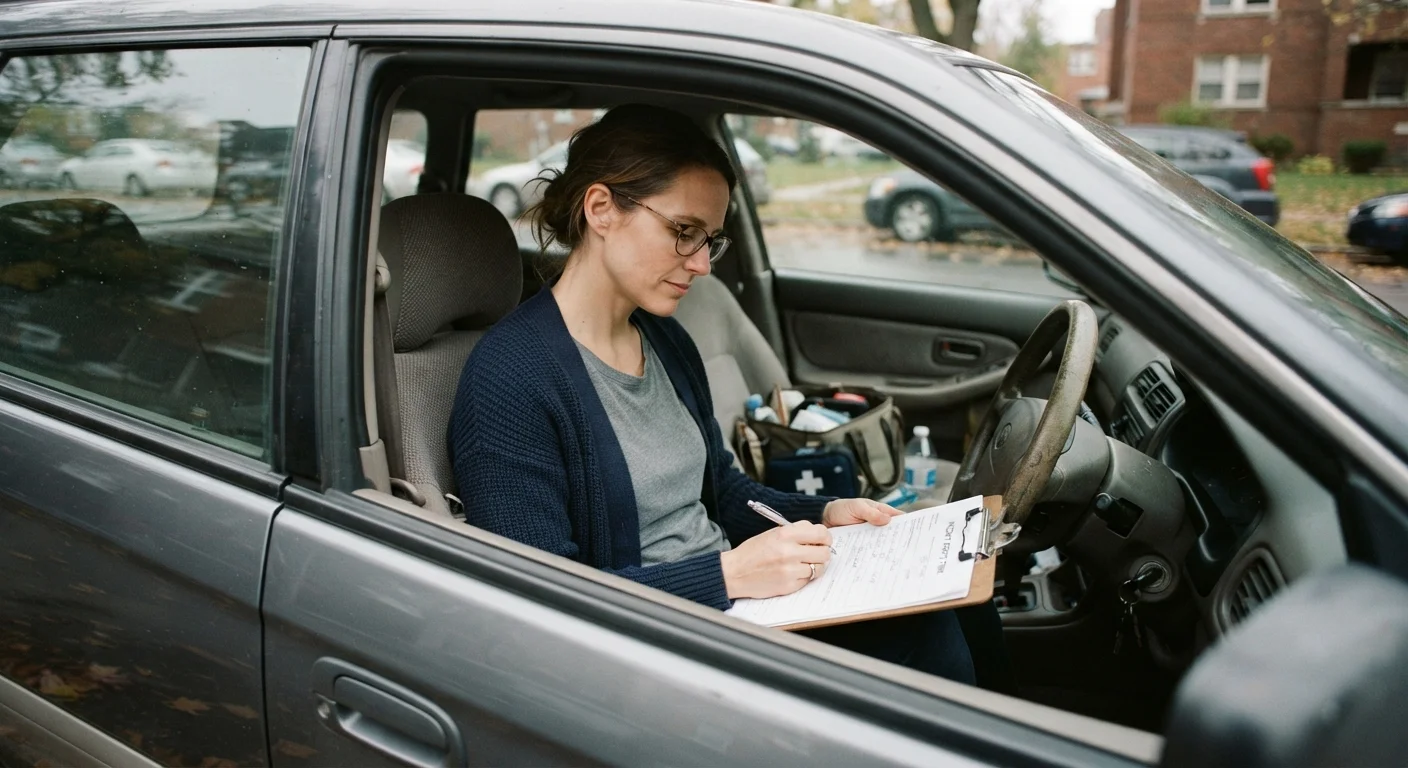
Photograph all vehicles from multiple angles, capturing damage, license plates, and the surrounding environment. Note the date, time, location, road conditions, and direction of travel. Collect the other driver's name, contact number, license plate, driver's license number, and insurance information. If witnesses are present, record their names and contact details.
Notify your insurer promptly
Contact your insurance company as soon as reasonably possible. Most policies include a clause requiring timely notice of incidents; delayed reporting can complicate or reduce your claim. Use the number on your insurance card or your insurer's mobile app. You'll provide a basic account of what happened — keep it factual and avoid speculating about fault at this stage.
Work with the claims adjuster
Your insurer will assign a claims adjuster — a professional whose job is to investigate the incident, assess vehicle damage, and determine what your policy covers. The adjuster may inspect your vehicle in person, request a visit to an approved repair facility, or use photos you submit. Be cooperative and responsive; delays on your end can extend the process.
Understand how your deductible applies
If your claim is approved under collision or comprehensive coverage, your deductible is subtracted from the total payout before you receive funds. For example, if repairs are estimated at $3,000 and your deductible is $500, the insurer pays $2,500. Liability claims made by the other party against your policy do not involve your deductible. Confirm these specifics with your policy documents.
Authorize repairs and close the claim
Once the adjuster approves the repair estimate, you can authorize work at your chosen or insurer-approved repair shop. Review the completed repairs carefully before signing off. After payment is issued and repairs are confirmed, the insurer closes the claim. Keep copies of all correspondence, estimates, and receipts for your records.
Never Leave an Incident Without Exchanging Information
Leaving the scene of an accident without exchanging insurance and contact details — even in a minor collision — can constitute a hit-and-run offense under many state laws, regardless of who was at fault. Always stop, document, and exchange information before departing. If the other party flees, note their plate number and report it to police.
Small Claims Can Have Long-Term Cost Implications
Filing a claim for minor damage may increase your premium at renewal, sometimes costing more over time than paying out of pocket. Before filing, compare the repair cost against your deductible and potential premium impact. This is a judgment call worth thinking through carefully — consult your agent for guidance specific to your policy.
Build Your Claims-Ready Kit Now
Save your insurer's claims hotline in your phone contacts today. Screenshot your insurance card and store it in a dedicated album. Add a brief note with your policy number, coverage types, and deductible amounts. Thirty minutes of preparation now can save significant stress at the scene of an incident.
Once you've walked through this process, it's worth revisiting your policy documents with fresh eyes. Our coverage review checklist can help you spot gaps before they matter. And if you're still building your coverage knowledge, common first-time policyholder mistakes is worth a read.
This article is for general informational purposes only and does not constitute insurance or legal advice. Coverage terms, claim procedures, and regulatory requirements vary by provider and state. Always consult your policy documents and a licensed insurance professional for guidance specific to your situation.